Animals as Co-Therapists: Selection, Behavioral, and Training Considerations
Enroll in the Online Self-Study course and complete it at your own pace.
1.5 CE hours available for behavioral health clinicians upon completion.
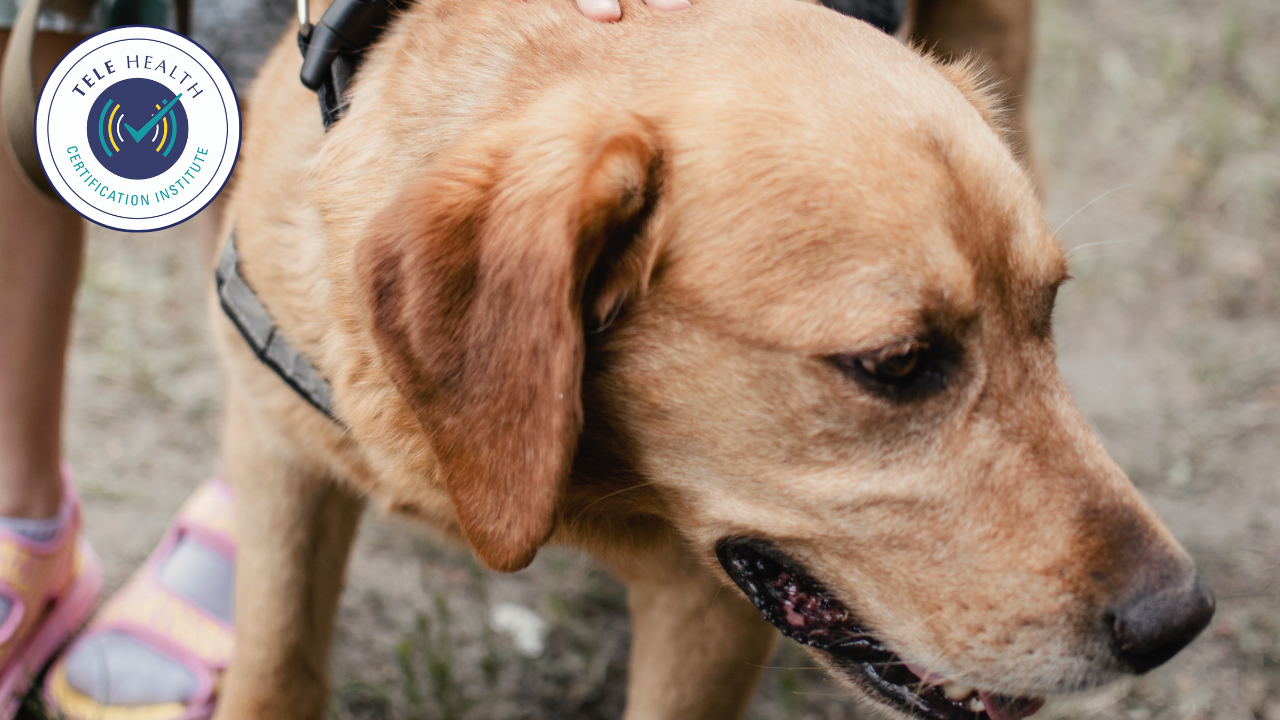
Behind every successful Animal Assisted Therapy is a well-prepared animal partner. Without the right guidance on selection, training, and behavioral insight, even the most well-meaning practitioners may unintentionally place their therapy animal—or their client—at risk.
This essential course empowers clinicians to confidently select and prepare the right animal partner for Animal Assisted Therapy (AAT), so both practitioner and co-therapist can work together in safe, ethical, and effective harmony.
Enroll in the 1.5 CE Online Self-Study for $75
Payment Options are listed at checkout
Dr. Christina Strayer, Ed.D, LCMHCS, AAT-I, CYT-200, brings decades of experience as a Licensed Clinical Mental Health Counselor, Animal Assisted Therapist, and Pet Partners Team Evaluator. As Lead Instructor for the Animal Assisted Therapy Interventionist (AAT-I) certification course, she specializes in blending behavioral health principles with expert animal training to help clinicians and animals succeed together in therapeutic environments.
Dr. Strayer’s teaching approach is both research-informed and deeply practical. Through relatable case stories, behavioral insights, and clear explanations, she guides clinicians in understanding animal behavior, evaluating temperament, and building a responsive, respectful relationship with their therapy animal.
Topics covered include how temperament and behavior form animal personality, how to read stress signals and body language, how animals learn, and how to select and implement the best training practices for AAT. Participants will also examine breed considerations, handler responsibilities, safety concerns (including zoonosis), evaluation protocols, and how to advocate for both animal and client in clinical care.
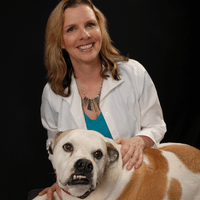
Instructor
Dr. Christina Strayer, Ed.D, LCMHCS, AAT-I, THTC, CYT-200, NLC-P,
A Licensed Clinical Mental Health Counselor and Supervisor, Licensed Clinical Addictions Specialist-Associate, Pet Partner Team Evaluator, Animal Assisted Therapist-Interventionist, and Life Coach with her coaching practice Energy Coaching with Horses and Others (E.C.H.O.) in North Carolina. Her private practice is Animal Assisted Therapy of the Triangle. She is trained in a variety of Integrative Therapies including Art, Yoga, and Mindfulness. Her theoretical approach is Client-centered and Holistic. Along with her mini goats, avian, equine, canine, and crustacean helpers, Christina combines her study of the power of the human-animal bond in healing with proven counseling theories and techniques to guide clients in reaching their goals.
She has a diverse background in counseling and teaching. She is the Lead Instructor for the Animal Assisted Therapy Interventionist (AAT-I) certification course. She has served as an adjunct professor at Campbell University in the Counselor Education department.
Read more about Dr. Strayer here.
Key Takeaways:
- Assess animal suitability for AAT: Gain the skills to objectively evaluate an animal’s temperament, behavior, and readiness for therapeutic work.
- Prepare and train effectively: Learn how to match training approaches to your animal’s needs and the therapy setting, ensuring confidence and safety for all.
- Promote ethical care and safety: Understand the responsibilities of animal advocacy, zoonosis awareness, and the nuances of client vulnerability when animals are present.
Why this course?
- Clinician-focused and evidence-aligned: Designed specifically for behavioral health professionals with the latest ethical and clinical guidelines in mind.
- Instructor expertise you can trust: Dr. Strayer brings unmatched credibility with real-world AAT experience, credentialing leadership, and academic excellence.
- Part of a comprehensive AAT pathway: This course is a core component of the Animal Assisted Therapy Interventionist Credential Program and prepares you for advanced training and ethical practice.
Learning Objectives:
- Explain how to understand and know an animal’s temperament, how different animals signal their needs and/or stress levels, and how you can facilitate the animal’s socialization, desensitization, and comfort in preparing them for work in ATT.
- Identify how to objectively assess an animals’ suitability, strengths and limitations for the therapy setting and how to select the appropriate training for you and your animal for AAT.
- Identify key elements of animal care and advocacy, and the topic of Zoonosis and its implications in AAT.
As you seek to integrate animals into your therapeutic work in a responsible manner, this course provides the insights, structure, and ethical foundation necessary to form a successful human-animal treatment team. Let your co-therapist thrive—start learning today.
Add to cart to begin learning instantly.
This is a non-interactive, self-study course. It consists of 75+ minutes of video instruction, reading assignments and written responses, a post-test and an evaluation.
This course is Course 3 (of 8) of the AAT-I Credential Program and can be taken individually or as part of the full program.
Please Note: Textbooks are required to complete AAT-I learning content. Reading material is not included with course enrollment and must be purchased separately from retail booksellers. (See "Requirements" tab for specifics.)
Select each tab for course details
Availability:
From the time of registration, you have six months to access the coursework.
Who Should Attend:
This course is intended for clinicians who provide behavioral health services.
Teaching Methods:
This is a non-interactive, self-study course. Teaching methods for this course include recorded lectures, videos, a post-test, and a course evaluation.
How to attend:
Directions for completing a course can be found by clicking here.
This program was recorded on September 20, 2023.
Testimonials
Iveyana Kiara Smith
Jessy Hainbach
Bryant Wilson
Ben Keyser
Mei Chan
Meghan Co, LCSW-C, LICSW