
Case studies have long been a cornerstone of behavioral health education, providing students with opportunities to apply theory to practice and develop critical thinking skills. However, the transition from analyzing a static case study to engaging in a dynamic clinical interaction is a significant leap. Students need opportunities to practice the skills of assessment, intervention, and therapeutic communication in environments that reflect the complexity and unpredictability of real-world practice.

In the field of behavioral health, the mastery of complex theoretical frameworks is essential. However, the true artistry of clinical practice lies in the effective application of foundational micro-skills. These seemingly simple behaviors—active listening, reflection of feeling, open-ended questioning, summarizing, and confrontation—are the building blocks of the therapeutic alliance and the primary vehicles for change. Research confirms that the therapeutic relationship is one of the most consistent predictors of positive client outcomes across different treatment modalities (Flückiger et al., 2018).
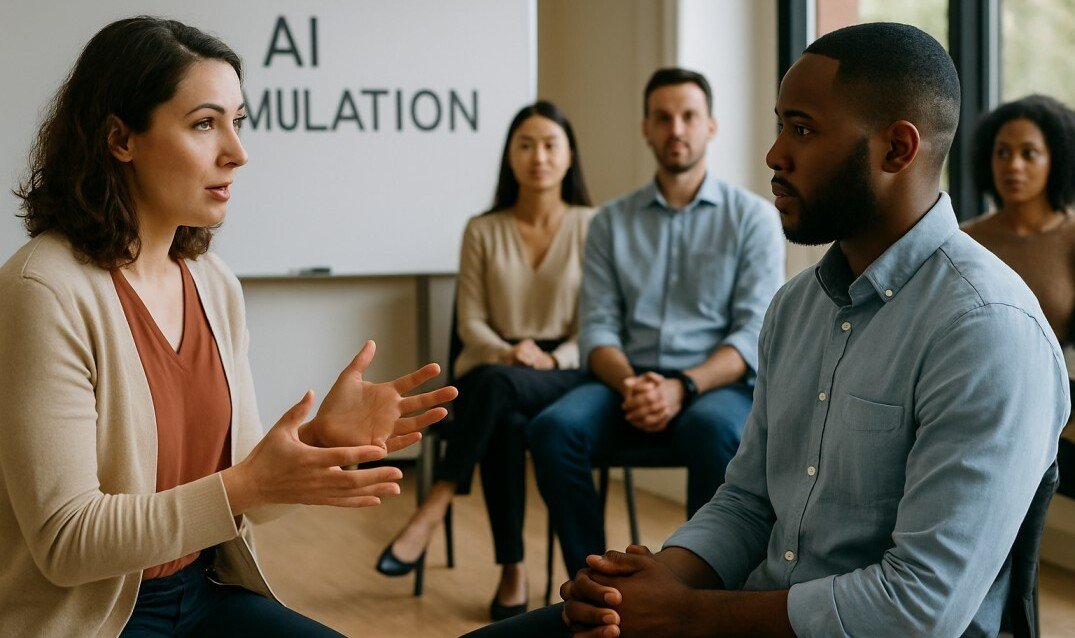
The challenge of preparing behavioral health students for the nuanced realities of clinical practice is timeless. While classroom instruction provides the essential theoretical foundation, it often fails to fully bridge the gap between knowing and doing. This "skills gap"—the disparity between academic knowledge and practical application—is a common concern among educators and clinical supervisors. As the complexity of mental health needs increases, the demand for innovative training methods that ensure clinical readiness has never been greater.
Subcategories
Testimonials
Iveyana Kiara Smith
Jessy Hainbach
Bryant Wilson
Ben Keyser
Mei Chan
Meghan Co, LCSW-C, LICSW