Clinical Supervision Certificate
Enroll in the Online Self-Study and complete the training on your schedule.
49 CE hours available for behavioral health clinicians.

Clinical supervision isn’t just about oversight—it’s a distinct professional practice with far-reaching ethical, cultural, and developmental implications. Supervisors must protect clients, support supervisees, and uphold the standards of an evolving field. This certificate course helps you do just that.
Whether you're preparing to become a supervisor or want to strengthen your current supervision skills, this program equips you with the tools, frameworks, and strategies you need to supervise ethically, confidently, and with cultural humility.
Complete all 15 courses, earn your Clinical Supervision Certificate, and save $802.
Enroll in the 49 CE Online Self-Study for $545
The CSC program is qualified for CCE credit for eligibility for the ACS. For the full CCE statement, check the CE tab below.
Taught by nationally recognized instructors including Kristin Ryan, Lynn Louise Wonders, and Ruby Blow—leaders in counselor supervision, ethics, and professional development—this program brings together decades of clinical, supervisory, and educator experience across diverse settings.
Through a highly practical and integrative lens, each module offers a structured exploration of clinical supervision’s foundations, methods, challenges, and transformative potential. You’ll move beyond theory to develop real-world competencies in gatekeeping, documentation, multicultural responsiveness, telesupervision, group supervision, and more.
This certificate includes 15 curated courses that span the full breadth of clinical supervision practice. Topics covered include supervision ethics, supervisory contracts, documentation best practices, multicultural competence, telesupervision, supervisee evaluation and feedback, managing resistance, licensure supervision within organizations, supervision models and methods, power and privilege, social justice in supervision, group supervision strategies, and much more.
Instructor
Lynn Louise Wonders
Lynn Louise Wonders is licensed and certified as a professional counselor and supervisor in the state of Georgia. She has provided clinical services for children, families, couples and individual adults since 2001 and had served as a clinical supervisor, professional consultant and continuing education trainer for clinicians since 2010. She has been published in numerous academic and professional books on the topic of play therapy, is the author of When Parents Are at War: A Child Therapist’s Guide to Navigating High Conflict Divorce & Custody Cases, The Midlife Self-Discovery Workbook, the Miss Piper’s Playroom therapeutic children’s book series and several more children’s books. Ms. Wonders has been providing clinical supervision training and supervision of the supervisor since 2010.
You can find Lynn Louise Wonders here.
Instructor
Kristin Ryan, M.S.,
A counselor, educator, and consultant with nearly 30 years of experience in counseling and ministry. She formerly owned and operated Grow Deep Counseling in Georgia (closed December 2021), where she served as a counselor, clinical supervisor, educator, and workshop trainer in partnership with churches, agencies, and organizations. Now based in Indiana, Kristin focuses exclusively on Christian counseling, discipleship-oriented care, consultation, and faith-based education and training. She is a former Georgia Licensed Professional Counselor (LPC), Professional Counselor Supervisor (both CPCS, ACS), and Approved Continuing Education Provider (ACEP), with credentials intentionally inactivated following her move to Indiana and transition in scope of practice.
Instructor
Mary Kate Reese, PhD, LPC, CPCS,
A skilled counselor, clinical supervisor, counselor educator, and consultant with over 30 years of experience. Mary Kate is currently a core faculty member at Walden University, where she is the course manager for the Supervision course in the doctoral program, which she also teaches regularly. In addition, Mary Kate periodically provides workshops on supervision and ethics for mental health professionals who are obtaining continuing education credit. Mary Kate uses an engaging style in her teaching, and does not simply lecture to a passive audience! Her students leave with knowledge and skills that can easily be applied to their professional work.

Instructor
Dr. Rosalind Polk-Hall, EdD, LPC, MA, CMF, CPCS,
A Licensed Professional Counselor and a Certified Professional Counselor Supervisor practicing in the state of Georgia. She currently works as a Clinical Director in a community mental health counseling setting, provides clinical supervision to clinicians in various settings, and is a mental health counselor/clinical supervisor in private practice. She earned her doctoral degree from Argosy University (Nashville) in Counselor Education and Supervision. She earned a Master of Arts degree in Psychology with a specialty in Counseling at the Georgia School of Professional Psychology (Argosy University). With over 27 years of clinical experience, Dr. Roz is a licensed professional counselor dedicated to transforming lives and shaping the next generation of therapists. Throughout her career, Dr. Roz has worked across a broad range of settings, including community mental health centers, and more. Read more about Dr. Roz here

Instructor
Latasha Matthews, LPC, CPCS, CPLC, CAMS,
Latasha Matthews is known as America’s Emotional Wellness Expert; she is the Co-founder of Pieces That Fit, Inc. and the CEO and Clinical Director of Illumination Counseling and Coaching, LLC Latasha is well versed in providing individual, couples, adolescent, and family therapy in her Group Practice in Lawrenceville, GA. Latasha has an extensive background in Business, Human Resources, and training. With over 15 years of experience as a Licensed Professional Counselor, Life Coach, Speaker, and author, she utilizes a Family Systems approach, which considers how a particular system impacts an individual person, organization, or situation. In addition to Latasha’s clinical experience, she provides continuing education for clinicians and holds the position of adjunct professor at several universities. Latasha is an advocate for emotional wellness and balance. Latasha is the author of The Dumping Ground. Which was on the Bestseller’s list in 2016. She has trained thousands of individuals globally on the importance of setting healthy boundaries. Latasha has received numerous awards, written numerous article publications, and has been awarded countless speaking opportunities for her advocacy work supporting healthy boundaries.

Instructor
Ruby Blow, MA, LPC, NCC, BCC, CPCS, ACS, BC-TMH,
A licensed professional counselor in the state of Georgia. Her current practice focus is professional development and she provides tele-supervision and tele-consultation. Her services include both group and individual modalities. She is a leader in the field of clinical supervision practice and has been in practice for 22 years. In 2012, Ruby won the Counselor Educator of the Year Award in the state of Georgia from the Professional Counselors Association. She has worked with mental health professionals in the area of clinical development from the beginning of her career. She taught for 10 years as an adjunct faculty member at Argosy University Atlanta. During her time as a clinical instructor, she led students in their practicum internships as their instructor of record.
Instructor
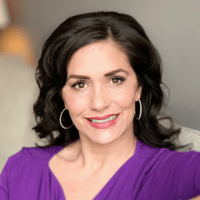
Francisca Mix
Francisca Mix is the CEO & Founder of Francisca Consulting & Counseling. She continues to support professionals and individuals to find more joy, confidence, and fulfillment in business and in life for nearly 20 years. Francisca was one of the trainers featured in The Colorado Counseling Association (CCA) Clinical Supervision Training. She consults with other leadership teams in the field supporting company programming, compliance, training development, change management, and more.
In addition, Francisca was the former Clinical Director/Trainer at Noeticus Counseling Center where she supported hundreds of upcoming professionals in the mental health field for over a decade through clinical internship programming and the Approved Clinical Supervisor advanced training.

Instructor
Malcolm Horn-Charnesky
Malcolm Horn-Charnesky started her career working with the elderly and adults with disabilities. She has over 10 years of progressive clinical experience working with the complex diagnoses that often accompany addictions and co-occurring disorders. Malcolm started working specifically with addictions in 2006 when she moved to Billings and started working at Rimrock. She coordinates the continuing education for licensed staff, ensuring they have opportunities to appropriate continuing education units to improve their skills and ability to meet the needs of clients. Malcolm also supervises and coordinates the internship program and ensures all learning objectives are met.

Instructor
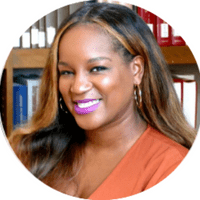
Dr. Ebony White, PhD, LPC, NCC, ACS,
A Licensed Professional Counselor, a National Certified Counselor, and an Approved Clinical Supervisor. She is an Assistant Clinical Professor in the Department of Counseling and Family Therapy and the Program Director of the Master in Addiction’s Counseling program at Drexel University. As the Executive Director of the Center for Mastering and Refining Children’s Unique Skills (MARCUS), a non-profit organization, she focuses on expanding developmental pathways for at-promise adolescents in Trenton, NJ through counseling, mentoring, and tutoring. Clinically she focuses primarily on issues that impact the relationships and functioning of African Americans, primarily women and teens. She also provides multicultural and mental health training for law enforcement, religious leaders, educators, and community members. Read more about Dr. Ebony here
Instructor
Dr. Candice R. Crawford, PhD, LMHC,
Dr. Candice R. Crawford is an Assistant Professor in the Clinical Mental Health Counseling Program at Molloy College. Dr. Crawford is also a Licensed Mental Health Counselor (LMHC) in the state of New York and has worked in various capacities as a bilingual counselor working with children, adolescents, and their families. Also, she has served as a clinical supervisor and program director in outpatient substance abuse facilities. Currently, she owns a private practice in the Bronx where she works with women of color who have endured trauma. Her research interests include multicultural competence in counseling and supervision, cross-racial supervision, and social justice advocacy. She is involved in numerous research projects and has presented research findings at regional and national conferences. She has mentored students exploring the relationship between self-esteem and bilingualism. Additionally, she is active in numerous counseling associations including the counseling honor society, Chi Sigma Iota (CSI), where she is the Chapter Faculty Advisor, and was also chosen as one of CSI's international leadership fellows. Recently, she was elected Secretary-Elect for the North Atlantic Region Association for Counselor Education and Supervision (NARACES).
Key Takeaways:
- Establish collaborative and culturally responsive supervisory relationships: Develop trust-based supervision grounded in ethical standards, clear boundaries, and cultural humility to support professional growth and client protection.
- Navigate the full spectrum of supervisory challenges: Confidently address supervisee impairment, documentation issues, resistance, dual roles, licensure complexities, gatekeeping responsibilities, and power dynamics—both in-person and via telesupervision.
- Apply a range of supervision models and methods: Integrate developmental, psychotherapy-based, competency-based, and multicultural frameworks to match each supervisee’s level, learning style, and clinical setting.
Why This Certificate Program?
- Comprehensive and practice-oriented: Gain access to 15 in-depth, scenario-based courses designed by seasoned clinical supervisors to reflect the realities and challenges of supervisory practice.
- Expert-led instruction across disciplines: Learn from nationally recognized presenters with decades of experience in clinical supervision, education, and ethics—professionals who have shaped the field through publications, teaching, and leadership.
- Tools you can use immediately: Walk away with downloadable templates, supervision contracts, evaluation guides, ethical decision-making frameworks, reflection prompts, and culturally attuned case studies—all designed to simplify your role and strengthen your impact.
Courses Included and Learning Objectives:
Foundations of Supervision: Preparing for Effective Supervision:
- Define supervision as a distinct area of practice
- Explain the general goal of supervision, the necessary supervisor knowledge, skill, or competency, and describe the supervisor's role or function and the administrative responsibilities
- Identify the considerations for the structure of supervision
- Express the key elements of the supervisory relationship and the importance of the supervisory relationship
Theoretical Frameworks and Models of Clinical Supervision:
- Name 5 categories of supervision models.
- List and describe a minimum of 5 supervision models.
- Differentiate and define first wave supervision models and second wave supervision models.
- Describe the benefits of combining more than one supervision model.
- Select and apply supervision models to match case scenarios about fictional supervisees.
- Describe why it is important for supervisors to be well versed and discerning as to what supervision models they use.
Understanding and Developing an Effective Clinical Supervision Relationship:
- Discuss the importance of a supervisory relationship and measuring its effectiveness.
- Share key aspects/traits for building a collaborative relationship.
- Explain the importance of power in the relationship and how to use it appropriately and effectively.
- Describe ways to prevent or resolve conflict and resistance.
Methods of Supervision:
- Explain the importance of having a model of supervision.
- List several methods of supervision.
- List two ways for building supervisee cultural competence.
- Illustrate methods of monitoring, providing feedback, and evaluations.
- Discuss suggestions for managing supervisee concerns, deficiencies and anxiety.
The Nuts and Bolts of Clinical Supervision in Groups:
- Discuss the stages of group and core group processes and how these apply to clinical supervision in groups.
- Analyze the power dynamics and cultural considerations that are present in clinical supervision in groups.
- Identify specific models and techniques that can be used in clinical supervision in groups.
- Develop skills to balance the needs of individual supervisees with the needs of the supervision group.
Supervision and Understanding the 'Zone of Proximal Development':
- Explain the impact that the zone of proximal development has on the skill set of clinical supervisors and counselors.
- Describe how the zone of proximal development can be utilized to better understand the relationships between the supervisor and supervisee.
Ethical Dance with Gatekeeping: The Common Complaints Against Therapists That Supervisors Need to Know:
- Explore and examine the common ethical complaints therapists face in clinical practice.
- Examine the supervisor's role as a gatekeeper.
- Demonstrate how to use the ethical decision making in clinical supervision.
Preparing Supervisees for TeleMental Health:
- Explain the Supervisor’s ethical and legal responsibility to evaluate a supervisee's readiness to provide telemental health service.
- Describe the process of evaluating a supervisee's readiness to provide telemental health service.
- Apply a supervisee telemental health preparedness checklist when evaluating a supervisee’s readiness.
TeleSupervision and TeleConsultation:
- Address, enhance, and identify beginning supervisors and advanced supervisors concerns about telesupervision.
- Address special considerations for the individual needs of supervisees in group supervision, assess how group telesupervision can accelerate supervisees’ learning and ways to decrease barriers to telesupervision.
- Explore the developmental needs of supervisees and increase the supervisee’s commitment to the working alliance within the structured environment needed in telesupervision.
Documentation for Supervisors:
- Describe the value of documentation in supporting our professional work.
- Participants will define key components of supervision documentation including maintaining a supervisee file.
- Participants will identify several tips for enhanced, best practice note content.
Navigating Licensure Supervision Within an Organization:
- Describe the difference between administrative versus clinical supervision.
- Conduct effective supervision via teleservices.
- Document processes for supervision.
It’s Not Just Your Name on the Line: How Your Contract Supports Compliance and Standards in Clinical Supervision:
- Explain the obligations & functions of a clinical supervisor.
- Explain the purpose of contracts in our profession.
- Describe disclosure statement and contract elements.
Ethics for Supervisors:
- Name ethical areas of supervisor competence, knowledge, and practice
- Identify key ethics of the supervisory relationship
- Discuss the ethical aspects of gatekeeping and monitoring supervisee development and competence
- Describe common examples of liability concerns and a suggestion for managing
Fostering Counselor Development Utilizing a Social Justice Lens in Supervision:
- Identify at least one social justice model that they can implement in supervision.
- Discuss ways in which to assess counselor development.
Race, Power, and Privilege: Addressing Cross Cultural Dynamics in Supervision:
- Examine power dynamics in the supervisory relationship.
- Identify errors in cross-cultural supervision.
- Describe strategies to address culture in supervision.
Whether you’re stepping into supervision for the first time or striving to refine your approach, this comprehensive program offers a clear path forward. You’re invited to join a learning experience that supports both your growth and the future of our profession.
Add to cart to begin your journey as a more confident, ethical, and effective clinical supervisor.
Enrollment in the full program is offered at a discount of more than 60% off the full price for each course.
Instruction consists of a total of 49 hours of video instruction. Each course requires a post-test.
Select each tab for course details
Availability:
From the time of registration, you have six months to access the coursework.
Who Should Attend:
This course is intended for clinicians who provide behavioral health services.
Teaching Methods:
This is a non-interactive, self-study course. Teaching methods for this course include recorded lectures, videos, a post-test, and a course evaluation.
How to attend:
Directions for completing a course can be found by clicking here.
Courses included in this program were recorded between May 18, 2020 and June 16, 2023, and was reviewed on 3/30/2026.
Clinicians seeking CCE's ACS credential meet the ACS training requirements by completing this program.

Telehealth Certification Institute LLC is a Center for Credentialing & Education (CCE) Registered 1005-ACS training provider.

This program is approved as an ACS training program. Learn more.
Explore More Supervision Training Bundles to Elevate Your Practice
Testimonials
What TCI members like about the Clinical Supervision Program
Iveyana Kiara Smith
Jessy Hainbach
Bryant Wilson
Ben Keyser
Mei Chan
Meghan Co, LCSW-C, LICSW