There is a paradigm shift today in the counseling and psychology profession. How do we translate the theories, clinical strategies, and treatments for military service members, veterans, and their family members? The Clinical Military Counselor Certificate (CMCC) program will help you translate your clinical practice into the cultural lens of the military. My October article addresses the complex issues challenging both clinicians and military personnel.
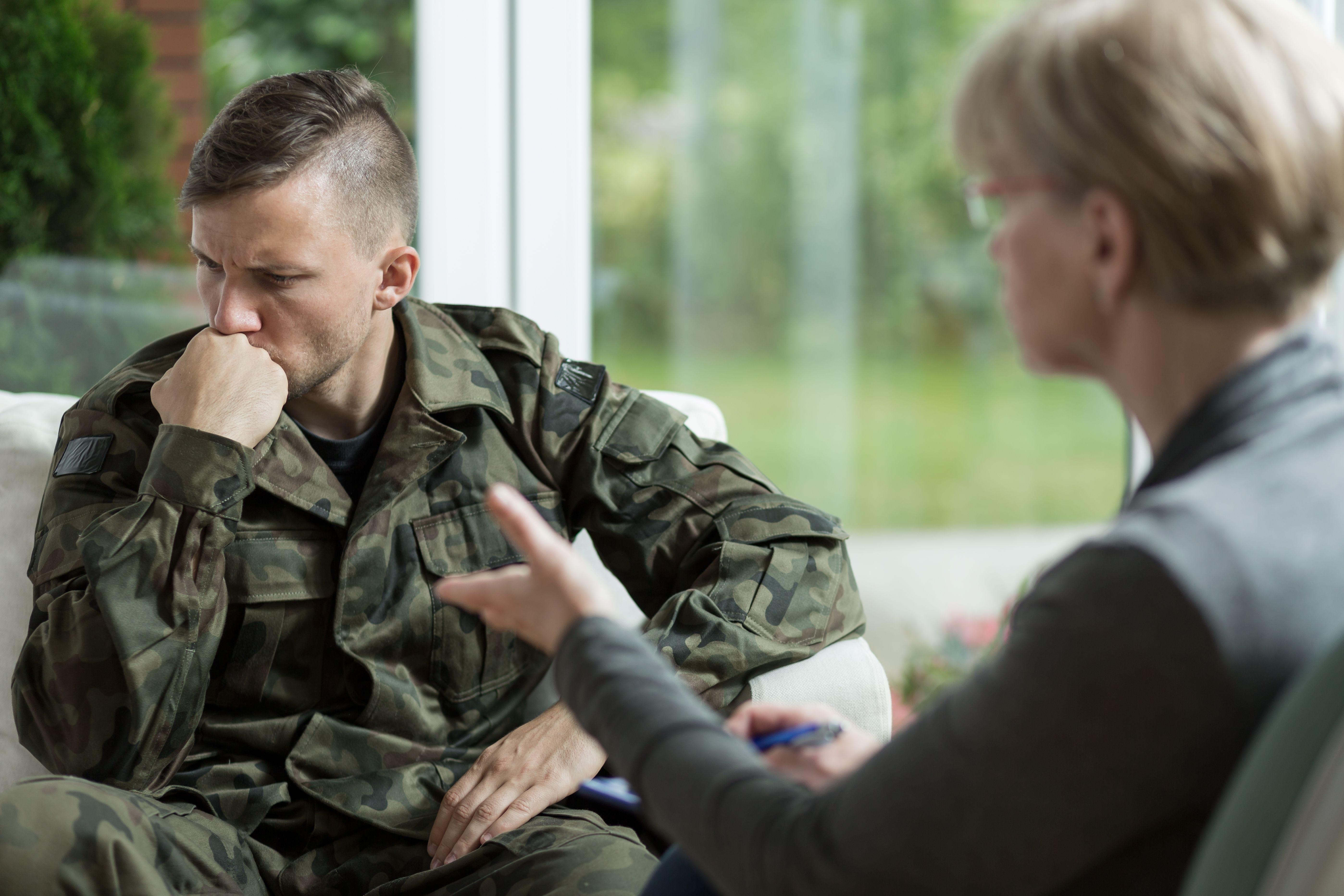
There is a paucity of literature in counseling and psychology that addresses how to facilitate therapeutic interactions with the military culture particularly in the assessment, diagnosis, and treatment of issues related to military mental health. The question becomes “How can I take what I know in counseling and psychology, as a civilian or community mental health counselor, and apply this to facilitating military mental health strategies and techniques?” This is a dilemma particularly for those who have had little or no opportunity to provide counseling and related-services to active duty personnel, veterans, veterans with disabilities, and family members. The following material describes credentials offered in the clinical military counseling area, occupational characteristics of different professions and settings that provide military counseling services, and our Clinical Military Counselor Certificate (CMCC) program.
Press release download: Click here
Professional counselors, psychologists, social workers, and other behaviorally-licensed professionals can earn the 12-hour CE Clinical Military Counseling Certificate (CMCC) through the Telehealth Certificate Institute of New York. The mission of the CMCC credential is to provide training for professional counselors, psychologists, social workers, and other behaviorally-licensed professionals who serve or want to serve, (consider taking out just to make this section less wordy) active duty personnel, veterans, veterans with disabilities, and their family members. Graduate students engaged in their internships may also enroll in the CMCC program.

Materials Ready to Explore (MRE) Practice Guidelines
Societal Myths, Stereotypes, and Stigma of the Military Culture
Mark A. Stebnicki, Ph.D., LCMHC, DCMHS, CRC, CMCC
INTRODUCTION
The purpose of this MRE is to examine some of the more prevalent societal and clinical counseling myths, perceptions, and attitudes regarding the military culture. It is well documented that negative attitudes and perceptions impact the service members’ and veterans’ motivation for seeking medical and mental health treatment. Cultural myths and stereotypes regarding the military community can be both negative and positive. Some individuals in American society as well as clinical counselors attribute the characteristics and traits of military service members and veterans as possessing a high level of courage, honor, loyalty, confidence, toughness, and resiliency. Others in society may portray the military culture as possessing the potential to act in violence, have low impulse control, or be burdened with poor mental and physical health conditions (Ahern et al., 2015; Currier, McDermott, & McCormick, 2017; Quartana et al., 2014; Vogt, et al., 2014).
MRE Practice Guidelines: The Military Intake Interview
Mark A. Stebnicki, Ph.D., LPC, DCMHS, CRC, CMCC
Introduction to the Military Intake Interview
The intake interview is critical in understanding your service member or veterans’ current medical, physical, psychosocial, vocational, family, and socio-cultural status as it relates to their military service. Military-specific intake interview questions are one of the most effective means to assess a range of critical life-events as it relates to your clients’ military life. Most standardized diagnostic tools do not address military mental health, career development as the service member transitions to civilian life, family dynamics within the deployment cycle, and other critical elements in military life. Thus, competent CMCC’s use person-centered skills facilitating attending, listening, and empathic responding to build rapport and gain the circle of trust with their military clients.

MRE Guidelines for Practice
Spirituality, Moral Injury, and Trauma in Military Life
Mark A. Stebnicki, Ph.D., LCMHC, DMHCS, CRC, CMCC
INTRODUCTION
There is a growing body of literature in military psychology, moral injury, and trauma which suggests a strong association between having good spiritual well-being and military resiliency and readiness (Doehring, 2019; Smith-MacDonald et al., 2017). Extraordinary stressful and traumatic events in military life have long-term implications for service members’ and veterans’ mental, physical, and spiritual well-being. There are many experiences in warfighting that service members and veterans will never disclose to others outside their units or as reflected in after-action reports. Exposure to frequent killing of enemy combatants, the threat of being attacked, killed, or captured, witnessing death and injury, and handling the injured and dead bodies of unit members, civilians, and enemy combatants change the military service member in a profound psychological way.
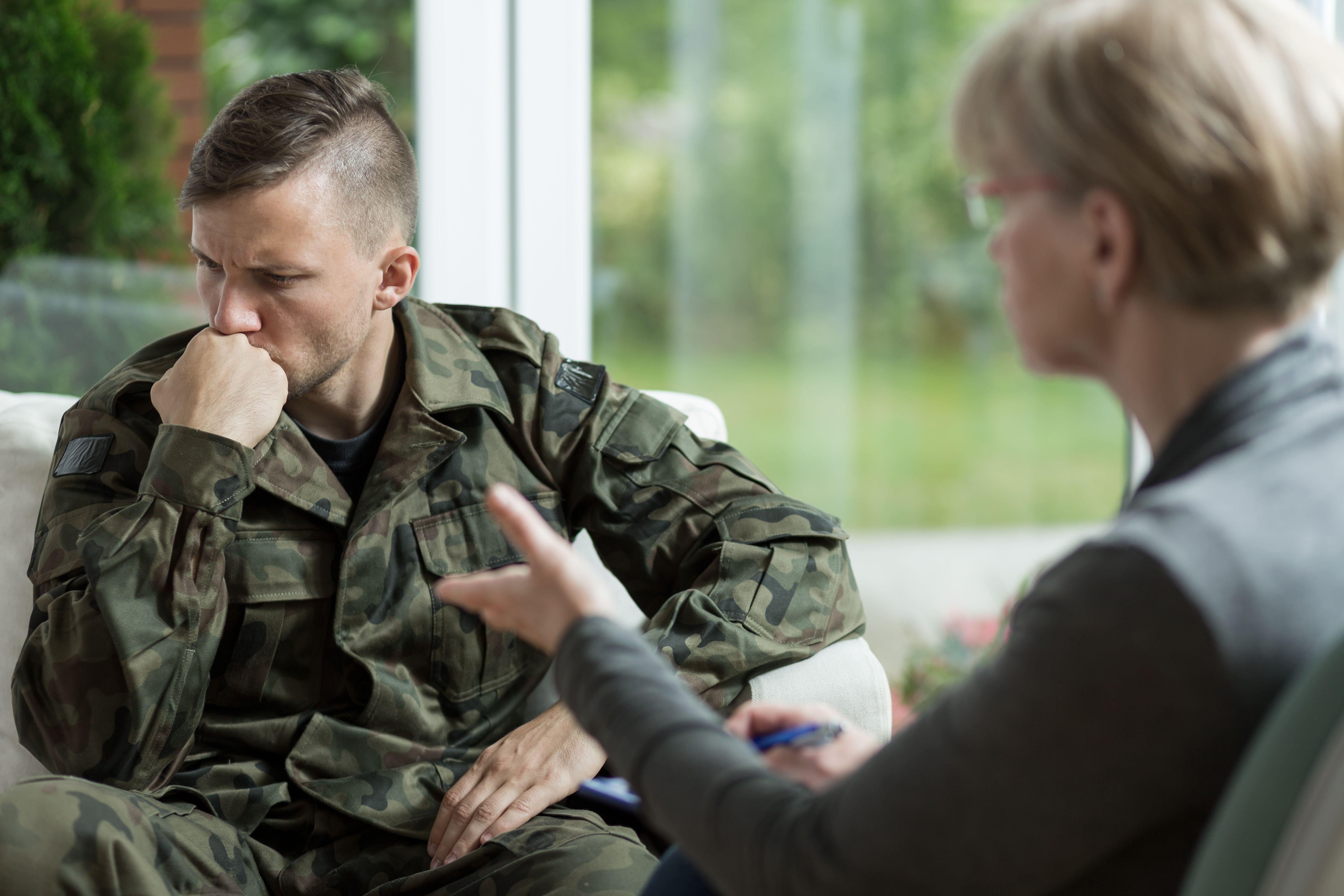
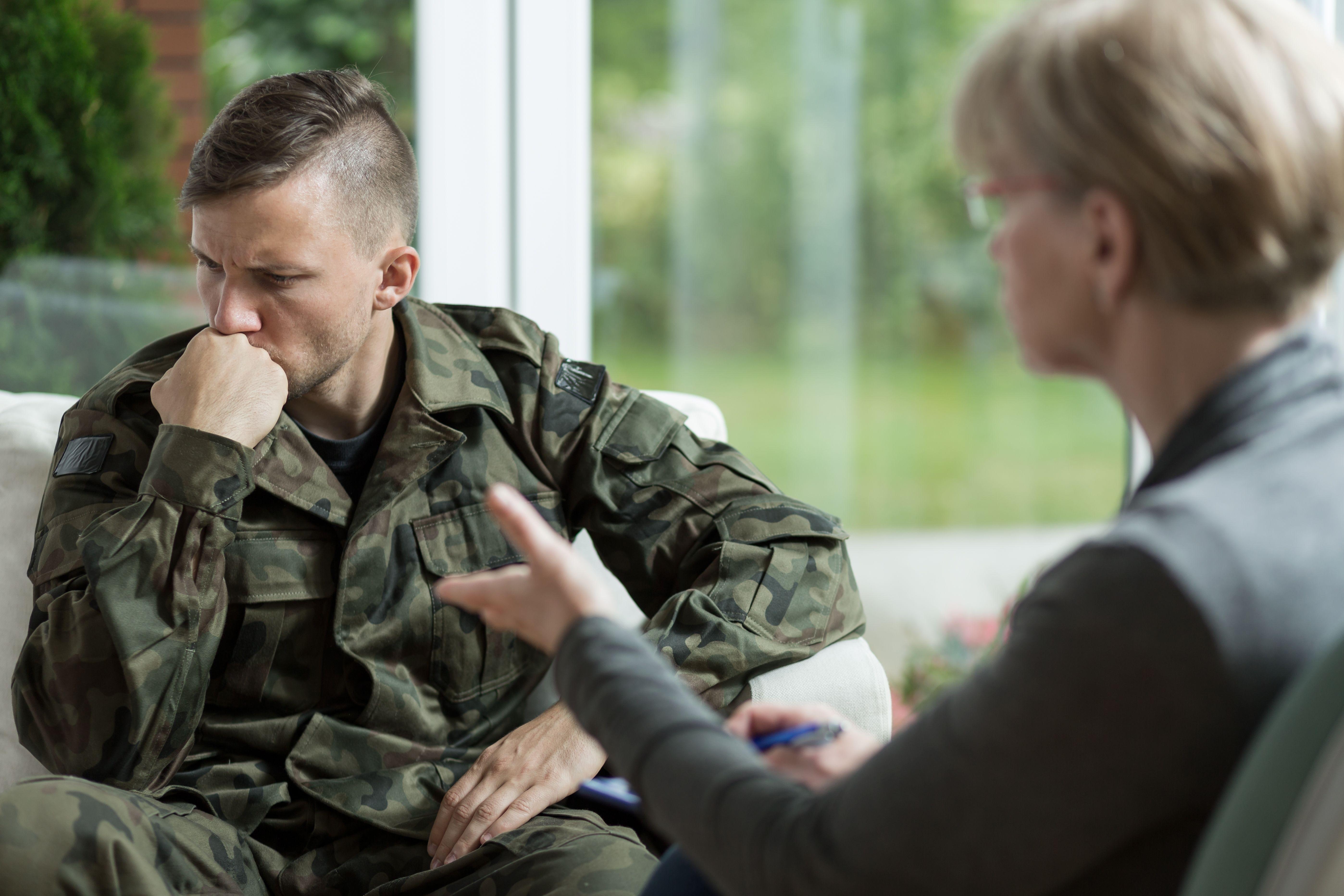
Due to the critical lack of specialized competency-based training for clinicians, veterans face substantial barriers to receiving adequate mental health counseling and related services. The lack of specialized training in working with veterans, veterans with disabilities, and their families can lead to misdiagnosis and inaccurate assessment, inappropriate and ineffective treatment, attributing stereotypes, and persevering myths about veterans, which hinder their motivation for seeking counseling services.
The current lack of comprehensive training in military counseling and related services, both during and after clinicians' graduate programs, is a significant concern. A national survey in 2016 of all nationally accredited counselor education graduate programs reported that only one program offered a certificate program in military trauma counseling.
We developed and provide the Clinical Military Counselor Certificate (CMCC), which is an evidence-based, advanced, and comprehensive course which prepares clinicians to address the medical, physical, psychosocial, behavioral, mental health, family life, vocational, and career transition needs of veterans, veterans with disabilities, and their families. We train Educational and School Guidance Counselors; Vocational/Career Counselors; Rehabilitation Counselors; Mental Health Counselors; Psychologists; Social Workers; Marriage and Family Therapists; and Chaplains.
We need your help! We are seeking organizations and foundations that are interested in supporting the availability of this training for professionals. You can help by informing others of this need, or by sponsoring the training of a clinician.
The CMCC program achieves the following outcomes:
- Increased innovative training in counseling for clinicians
- Expanded capability and cultural relevance of professional counselors
- Improved diagnosis and treatment among veteran populations
- Enhanced functional health outcomes among veterans and their family members
- Sustained investment in community capacity to improve health outcomes of veterans and their families
Many local non-profit organizations address the urgent and life-altering circumstances that confront veterans. This complementary opportunity offers a strategic and sustainable impact to enhance a community’s ability to improve the skill, capacity, and availability of counseling services for the long-term health of its veterans.
We greatly appreciate your time and support of veterans. You can view the CMCC training program details here.
You can contact us at
BRIEF HISTORY AND PROGRAM DESIGN OF
CLINICAL MILITARY COUNSELING CERTIFICATE (CMCC)
Brief History and Design of CMCC
The military community has become an emerging and major priority for mental health counseling and related services. Many active duty service members who transition to civilian life require ongoing medical, psychosocial, vocational, and mental health support. The military community is clearly a unique culture because of its language, rituals, organizational structure, values, mission, as well as differences that exist within each of the various branches of the Armed Forces (e.g., Army, Navy, Marines, Air Force, Space Force, Coast Guard, National Guard, Reservists).
The CMCC mission began in North Carolina as a recognition that providing mental health and counseling-related services to North Carolinians were critical to serving the 35% of its residents who comprised active duty service members, veterans, veterans with disabilities, family members, and dependents. There are few practitioners, counselor educators, and researchers who recognize and understand the unique cultural differences between military vs civilian mental health services; particularly as it relates to the diagnosis, assessment, and treatment of military mental health and related issues.
The Clinical Military Counseling Certificate (CMCC) credential was originally modeled after the Military and Trauma Counseling (MTC) graduate certificate program developed by Dr. Mark A. Stebnicki, Professor, Department of Addictions and Rehabilitation, Coordinator of East Carolina University’s MTC certificate program. He developed one of the nation’s first military counseling certificate programs in January 2014, which was based in a Council for Accreditation of Counseling and Related Educational Programs (CACREP- accredited program). The MTC graduate program consists of 12 semester hours of all online introductory and intermediate-level coursework that relates to the medical, psychosocial, vocational, mental health, and cultural aspects of active service members, veterans, veterans with disabilities, and family members.
The MTC program was developed using a focus group of active duty service members, combat veterans, veterans with disabilities, family members, and dependents in videotape interviews. It has been based on the qualitative experiences of these service members, veterans, and their family members. As a psychotherapist, Dr. Stebnicki has been a service provider for active-duty Marines from Camp Lejeune, Jacksonville, NC as well as veterans and their family members. As a professor, his research focus has been in developing training materials through published journal articles, book chapters, and books. Thus, an extensive review of the literature in evidence-based military mental health and related practices has been undertaken for the content development of the CMCC credential.
In early 2016, Dr. Stebnicki developed the credential (formerly titled the Certificate in Clinical Military Counseling [CCMC]) for Licensed Professional Counselors in North Carolina (LPCANC). It was based primarily on content from the MTC program. The LPCANC was administratively responsible for the support of this credential and for providing training at state-wide conferences. Dr. Stebnicki served as chairperson for LPCANC’s CCMC Task Force, also known as Operation Military Counseling (OMC). The Task Force included Licensed Professional Counselors (LPCs) who were service providers with the military community. The CCMC Task Force Committee members comprised of Mark Stebnicki, Suzanne Walker, Maggie and Esteban Minsk, Bill Butler, Harold McMillian, and Deanna Madison. Task Force members were chosen because of their background in military mental health as well as their status as a veteran, military spouse, and dependent/family member of those who served in the Armed Forces. The first CCMC training took place in Wilmington, NC, April 2016.
The CCMC training program moved administratively from the LPCANC because the credential and training was limited to LPCs in NC. There were multiple other states (e.g., SC, TX, NY) and professionals (e.g., psychologists, social workers) that wanted to earn the CCMC credential. The CCMC was originally intended to be a member benefit of the LPCANC organization. Because of its growth and increased interest, the CCMC was administratively supported for a short time (August – December 2017) through ECU’s Office of Continuing Studies.
In 2016, a new era began for the CMCC credential (formerly titled as CCMC). The Telehealth Certificate Institute (TCI) of New York became the new administrative support and learning platform by which professionals across multiple disciplines can earn the CMCC. TCI is the primary provider because of its reputation in providing professional training to the field and the flexibility of earning this credential through face-to-face trainings, webinars, and the option of an all-online 12-hour continuing educational training opportunity.
In summary, now in its 3rd revision, Dr. Stebnicki has been primarily responsible for the ongoing development of the CMCC credential. The CMCC’s core content and curriculum provides continuing education, training, and development for multiple professionals to provide best practices in dealing with the medical, psychosocial, vocational, mental health, and cultural aspects of the military community. You can view the CMCC training program details here.
There is a critical lack of both advanced and comprehensive training in military counseling and related services, both during and after clinicians' graduate programs. The lack of specialized training in working with veterans, veterans with disabilities, and their families can lead to misdiagnosis and inaccurate assessment, inappropriate and ineffective treatment, shaming veterans who seek services and deterring veterans from seeking further services. A national survey in 2016 of all nationally accredited counselor education graduate programs reported that only one program offered a certificate program in military trauma counseling (click here to see the full survey). The onboarding training that clinicians are receiving through organizations that provide military counseling does not appear to be either advanced or comprehensive.
There are also substantial barriers to veterans and veterans with disabilities who seek services and for clinicians offering care. Veterans often seek mental health services outside the VA hospital system due to the following:
| Barriers to Veterans |
|
Testimonials
Iveyana Kiara Smith
Jessy Hainbach
Bryant Wilson
Ben Keyser
Mei Chan
Meghan Co, LCSW-C, LICSW