The Psychosocial Aspects of Pandemic Viruses

Payment Options: Credit Card, PayPal, Venmo, or Pay Later (4 payments)
Rewards: You earn 10% on all of your orders towards your next purchase.
The add to cart button will appear once you select the values above
Specifications
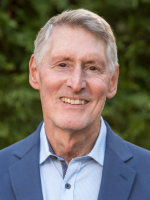
When a pandemic strikes, it doesn’t just attack the body—it reshapes identities, families, and communities, leaving invisible wounds that demand as much healing as the virus itself. The Psychosocial Aspects of Pandemic Viruses online self-study course offers behavioral health clinicians the tools to understand and respond to the far-reaching mental, emotional, and cultural impacts of viral outbreaks. By examining how grief, trauma, and resilience play out across the lifespan during times of crisis, this course equips professionals with strategies that directly inform their practice. Dr. Mark A. Stebnicki, Ph.D., LCMHC, DCMHS, CRC, CMCC, brings over 35 years of expertise in disaster mental health, traumatic stress, and rehabilitation counseling. A professor emeritus and developer of nationally recognized counseling certificate programs, Dr. Stebnicki has written extensively on trauma, illness, disability, and resilience. His authority ensures this training delivers both clinical insight and practical tools. Dr. Stebnicki’s approach combines theory with application. Using his original Pandemic Risk and Resiliency Continuum (PRRC) model and the Pandemic Rehabilitation Model (PRM), he provides a framework for identifying risk factors, triaging clients, and fostering recovery. The course also includes a comprehensive handbook designed to support ongoing learning and practical application. Topics include the psychosocial dimensions of pandemics, grief and loss in individuals and communities, resiliency factors across age groups, cultural considerations for vulnerable populations, and coping strategies for clinicians and clients. Participants will explore the unique mental health symptoms associated with pandemics, stages of adjustment and adaptation, and the toll of empathy fatigue on providers. In times of extraordinary disruption, clinicians need more than theories—they need frameworks, language, and strategies that meet the moment. This course provides exactly that, preparing you to support clients while safeguarding your own resilience. Enroll today in The Psychosocial Aspects of Pandemic Viruses and take a step toward helping communities not only survive but grow stronger in the aftermath. This is a non-interactive self-study course. Instruction consists of 6 hours of video instruction and a post-test. From the time of registration, you have six months to access the coursework. This course is intended for clinicians who provide behavioral health services. This is a non-interactive, self-study course. Teaching methods for this course include recorded lectures, videos, a post-test, and a course evaluation. Course access and completion instructions. Mark A. Stebnicki is professor emeritus and former coordinator of the Military and Trauma Counseling (MTC) Certificate Program (which he developed in 2015) in the Department of Addictions and Rehabilitation at East Carolina University. He also developed the national Clinical Military Counseling Certificate (CMCC) in 2016, a 12-hour CE program offered nationally through the Telehealth Certificate Institute. Dr. Stebnicki has been a counselor, educator, researcher, and practitioner with over 35 years of experience in the fields of rehabilitation and mental health counseling. He has practiced and published in areas related to stress, traumatic stress, disaster mental health response, and the psychosocial aspects of chronic illness and disability. He has extensive experience working with active-duty military service members, veterans, veterans with disabilities, and military families. Dr. Stebnicki has published 11 professional books, over 40 journal articles, and book chapters and has provided over 120 national and regional presentations. He has served on many statewide and national professional counseling boards. The instructor(s) for this course receive compensation for their services. There are no reported conflicts of interest to disclose. This course consists of 6 continuing education hours of credit. Telehealth Certification Institute, LLC has been approved by NBCC as an Approved Continuing Education Provider, ACEP No, 6693. Programs that do not qualify for NBCC credit are clearly identified. Telehealth Certification Institute, LLC is solely responsible for all aspects of the programs. Telehealth Certification Institute, LLC is recognized by the New York State Education Department's State Board for Mental Health Practitioners as an approved provider of continuing education for Licensed Mental Health Counselors. #MHC-0048. Many MFT licensing boards accept our courses or one of the approvals which we have from professional associations. You can check with your board to determine if your licensing board would accept this course. Telehealth Certification Institute, LLC is recognized by the New York State Education Department's State Board for Mental Health Practitioners as an approved provider of continuing education for licensed marriage and family therapists #MFT-0135, effective May 8, 2025. Telehealth Certification Institute LLC, #1609, is approved as an ACE provider to offer social work continuing education by the Association of Social Work Boards (ASWB) Approved Continuing Education (ACE) program. Regulatory boards are the final authority on courses accepted for continuing education credit. ACE provider approval period: 05/02/2024 – 05/02/2027. Social workers completing this course receive 6 clinical continuing education credits. Telehealth Certification Institute, LLC is recognized by the New York State Education Department's State Board for Social Work as an approved provider of continuing education for Licensed Social Workers #SW-0435. This course has been approved by Telehealth Certification Institute LLC, as a NAADAC Approved Education Provider, for educational credits NAADAC Provider #193104, Telehealth Certification Institute LLC is responsible for all aspects of the programming. Telehealth Certification Institute LLC is approved by the American Psychological Association to sponsor continuing education for psychologists. Telehealth Certification Institute LLC maintains responsibility for this program and its content. Telehealth Certification Institute, LLC is recognized by the New York State Education Department’s State Board for Psychology as an approved provider of continuing education for Licensed Psychologists #PSY-0128. Telehealth Certification Institute, LLC is recognized by the New York State Education Department's State Board for Mental Health Practitioners as an approved provider of continuing education for Licensed Creative Arts Therapists #CAT-0093. This course qualifies for 180 minutes of instructional content as required by many national, state and local licensing boards and professional organizations. Retain your certificate of completion and contact your board or organization for specific filing requirements. This is a non-interactive, self-study course. Close Captioning is available for live webinars and recorded video presentations. You can click on the following links to view our policies:Description
Key Takeaways:
Why this course?
Learning Objectives:
Format and Access
Course Details
Availability:
Who Should Attend:
Teaching Methods:
How to Attend:
Instructor and Disclosures
Instructor
About Mark A. Stebnicki, Ph.D., LCMHC, DCMHS, CRC, CMCC
Disclosure Statement:
CE Hours
Credit Hours:
Counselors:
Marriage and Family Therapists:
Social Workers:

Addiction Professionals:
Psychologists:
Art Therapists:
Other Professionals:
Accommodations and Policies
This course was recorded 7/29/21
Testimonials
Iveyana Kiara Smith
Jessy Hainbach
Bryant Wilson
Ben Keyser
Mei Chan
Meghan Co, LCSW-C, LICSW