
Trauma and PTSD: An Integrated Cognitive Approach

*
Payment Options: Credit Card, PayPal, Venmo, or Pay Later (4 payments)
Rewards: You earn 10% on all of your orders towards your next purchase.
The add to cart button will appear once you select the values above
Specifications
This course is a live, interactive webinar held on December 4, 2026, from 11am-6pm Eastern Daylight Time. This reduced price webinar does not offer CE Credits. The same live event is available for purchase and offers 6 CE hours for behavioral health clinicians. See "related products" below. Registration closes at midnight (EDT) the day before the event Do you know what the first-line treatment recommendations for PTSD really are—and how to apply them confidently in real-world practice? While newer approaches often generate excitement, cognitive and exposure-based treatments remain at the top of the strength-of-evidence rankings and continue to be frontline recommendations in the APA’s updated practice guidelines. If you want greater clarity about what truly works—and a practical roadmap for implementing it—this training offers an integrated, research-informed framework that translates the strongest evidence into strategies you can immediately use with clients struggling with trauma and PTSD. Jeff Riggenbach, Ph.D., trained at The Beck Institute for Cognitive Therapy and Research in Philadelphia and has spent over 20 years developing and directing cognitive-behaviorally based treatment programs for Mood Disorders, Anxiety Disorders, Addictive Behavior Disorders, and Personality Disorders across multiple levels of care. Because trauma frequently co-occurs with personality dysfunction, he and his teams consistently delivered up-to-date, evidence-based PTSD treatment to patients fully meeting diagnostic criteria. His extensive clinical leadership and CBT expertise uniquely position him to guide clinicians through complex trauma presentations with clarity and confidence. Through didactic teaching, case studies, and humor—and drawing from the latest CBT-based literature—Dr. Riggenbach is known for taking lessons from research off the “top shelf” and placing them on the “bottom shelf,” making them accessible and practical for clinicians “in the trenches.” This course presents an integrated model that emphasizes commonalities across empirically supported treatments, walking you step-by-step through an easy-to-understand three-stage process for effective PTSD care. This training explores the four symptom clusters in PTSD and contrasts them with the three clusters in C-PTSD, while examining schemas that activate the threat response system and cognitive distortions that exacerbate threat-based appraisals. You will analyze shared elements across leading exposure-based approaches—including Cognitive Therapy for PTSD (Ehlers & Clark), Prolonged Exposure (Foa), and Cognitive Processing Therapy (Resick)—and construct a clear three-phase treatment plan. The course also addresses distorted appraisals, lack of habituation, disjointed trauma memories, “stuck points,” moral injury, relational healing, and strategies for fostering post-traumatic growth so clients can continue building resilience long after treatment ends. When trauma histories are complex, and presentations feel layered or “stuck,” having a clear, evidence-based roadmap can transform uncertainty into purposeful clinical action. This training offers a structured, integrated approach that supports you in reducing PTSD-related suffering and helping clients move toward lasting resilience and meaningful recovery. This course is a live, interactive webinar. Schedule: (listed in Eastern Daylight Time) Course access and completion instructions. This course is intended for clinicians who provide behavioral health services. This is a live, interactive webinar. Jeff Riggenbach, PhD, is a best-selling and award-winning author/speaker/clinician who has trained audiences in all 50 United States, Canada, Mexico, The UK, Ireland, Malta, Australia, New Zealand, and South Africa. He has devoted the past 25 years to developing advanced expertise in cognition and personality. He personally trained at The Beck Institute of Cognitive Therapy and Research to develop his hospital's Borderline Personality Disorder Treatment Program, which has not treated over 500 patients with BPD across multiple levels of care. He has since developed and directed cognitive-behavioral based programs for Depression, Anxiety Disorders, and Addictive Behavior Disorders. Jeff's approach of taking evidence-based treatments and presenting them in ways that can be used by everyday clinicians "in the trenches" has earned him the nickname "The Practical Toolbox Guy," and his trainings often receive the highest marks from conference participants. The instructor(s) for this course receive compensation for their services. There are no reported conflicts of interest to disclose. This reduced price webinar does not offer CE credits, just great content. The same live event is available for purchase and offers 6 CE hours for behavioral health clinicians. See "related products" below. Participants may request a printed version of their certificate of attendance to be delivered by mail. A shipping/handling fee of $6.95 will be charged per request. Shipping internationally may require an additional charge. Close Captioning is available for live webinars and recorded video presentations. You can click on the following links to view our policies:Description
Key Takeaways:
Why This Course?
Learning Objectives
Format and Access
Course Details
How to Attend:
Who Should Attend:
Teaching Methods:
Instructors and Disclosures
Instructor
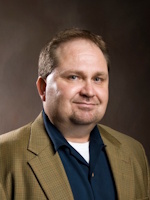
About Jeff Riggenbach, Ph.D.
Disclosure Statement:
CE Hours
Agreement
Accommodations and Policies
Related products

Testimonials
Iveyana Kiara Smith
Jessy Hainbach
Bryant Wilson
Ben Keyser
Mei Chan
Meghan Co, LCSW-C, LICSW