Yoga-Informed Clinical Techniques for Reducing Anxiety and Depression

Payment Options: Credit Card, PayPal, Venmo, or Pay Later (4 payments)
Rewards: You earn 10% on all of your orders towards your next purchase.
The add to cart button will appear once you select the values above
Specifications
When traditional interventions for anxiety and depression fall short, yoga-informed clinical techniques offer a holistic, evidence-based path forward—one that bridges ancient wisdom with cutting-edge neuroscience to restore self-regulation, mood, and vitality. If you’re a clinician seeking safe, practical, and deeply effective tools to better serve clients struggling with emotional dysregulation, chronic stress, or burnout, this course provides a research-supported, integrative approach that you can apply immediately in your practice. Kristine Weber, MA, C-IAYT, eRYT500, is a world-renowned expert in the neuroscientific benefits of slow, mindful yoga. She has trained thousands of professionals through her Subtle® Yoga programs, and serves on national and international healthcare advisory boards advocating for yoga’s integration into behavioral health. Co-instructor Brett Sculthorp, LCSW, LCAS, CPS, RYT200, brings over 35 years of experience in trauma therapy and yoga practice, enriching the course with grounded clinical strategies and somatic depth. Together, they offer unparalleled expertise in adapting yoga techniques to meet the complex needs of behavioral health clients. In this 12-hour self-study course, the instructors guide you through practical, trauma-sensitive yoga techniques that address anxiety and depression by promoting nervous system regulation, emotional resilience, and embodied presence. Their compassionate, strengths-based approach empowers clinicians to meet clients where they are while gently cultivating transformation. Topics include the eight limbs of yoga, the science of vagal tone and neuroplasticity, breathing practices (prāṇāyāma), asanas for different energy states, meditation, mantra-based techniques, and the critical role of sequencing for clinical outcomes. You'll also explore the connection between yoga and the autonomic nervous system, the use of yoga to build interoception and insight, and evidence supporting yoga’s role in reducing anxiety and depression. The course includes demonstrations of accessible, brief practices you can integrate immediately into therapy sessions. Integrative Clinical Tools: Gain accessible and effective yoga-informed interventions tailored for clients experiencing low mood, fatigue, anxiety, or hyperarousal. Neuroscience Meets Tradition: Learn how contemporary research validates ancient yoga principles for promoting emotional balance and nervous system regulation. Practice-Based Application: Receive guided instruction on energizing and grounding yoga sequences, breathing techniques, and meditations you can apply in clinical settings. Expert-Led Instruction: Benefit from the insights of two highly experienced leaders in yoga-informed behavioral health, who have trained clinicians worldwide. Holistic and Evidence-Based: This course synthesizes neuroscience, trauma theory, and somatic practice in a way few other programs do. Ready-to-Use Interventions: Includes demonstration of brief, practical techniques that are immediately usable in therapy—even for clients new to yoga. Describe the historical and cultural context of yoga and how this integrates with and complements forefront neuroscience. List and understand the basic principles behind each of the eight limbs of yoga. Compile at least 6 key principles of why and how to integrate yoga into a clinical practice. List key neuroscientific principles of how yoga promotes mental health. Identify the principles of yoga based neuroplasticity and self-regulation that support stress management. Demonstrate at least six brief energizing and grounding yoga practices that can be safely applied in clinical intervention. Demonstrate the principles and goals of a mantra based meditation practice. Identify at least two research articles on the efficacy of yoga for managing anxiety and depression. Transform your clinical practice by exploring how yoga-informed interventions can help clients reconnect with their bodies, rewire their stress responses, and reclaim a sense of calm. Enroll today to bring the ancient art of healing into the heart of modern behavioral healthcare. This is a non-interactive, self-study course. Instruction consists of 12 hours of video instruction and a post-test. From the time of registration, you have six months to access the coursework. This course is intended for clinicians who provide behavioral health services. This is a non-interactive, self-study course. Teaching methods for this course include recorded lectures, videos, a post-test, and a course evaluation. Course access and completion instructions. Kristine Weber, MA, C-IAYT, eRYT500 is a leading world authority on the neuroscientific benefits of slow, mindful yoga and an advocate for the use of these practices as an integral part of the solution to the healthcare crisis. She is leading the charge to get slow, mindful practices to people who desperately need them through her Subtle® Yoga Revolution series of online courses and trainings for yoga teachers - which have been praised by thousands all over the world. She is the director of the Subtle® Yoga Teacher Training for Behavioral Health Professionals program at the University of North Carolina Chapel Hill Health Sciences at MAHEC and the Yoga Therapy representative on the Integrative Health Policy Consortium in Washington D.C., where she advocates for the integration of yoga into the healthcare system. She serves on the Yoga Advisory Council of the Alzheimer’s Research and Prevention Foundation. Kristine has been an avid student of yoga since 1989, teaching yoga since 1995, and training teachers since 2003. She presents workshops and trainings internationally and is frequently invited to speak about yoga at healthcare conferences and on podcasts. She is the author of Healing Self Massage and has published numerous articles. Her work has been featured in The Wall Street Journal, Forbes, Yoga Therapy Today, YogaU, Redbook, BodySense, Women's World, Natural Health, and Lifetime TV. She is currently conducting research on Subtle® Yoga for addiction recovery. Brett Sculthorp, LCSW LCAS CPS RYT 200, is a Licensed Clinical Social Worker, a Licensed Clinical Addiction Specialist, a Certified Prevention Specialist, and a Registered Yoga Teacher at the 200-hour level. He has been a yoga and meditation for over 35 years and has been collaborating with Kristine in creating Subtle Yoga trainings for 20 years. In his private practice, Brett works with individuals, couples, and groups with a clinical focus on trauma. In addition to the physical, psychological, and spiritual practices of the yoga tradition, Brett utilizes the therapeutic modalities of Brainspotting, ego state work, Acceptance and Commitment Therapy, Dialectical Behavioral Therapy, Trauma Release Exercises, and Sensorimotor Psychotherapy. Brett is currently writing a book about Yoga Psychology with Kristine. Brett’s writing has been featured in Yoga Therapy in Practice, and he co-wrote a paper that was presented at the XV World Futures Studies Federation Conference. Brett’s substance use prevention work has focused on community building, including educating about the social determinants of health, future studies, and other strategic planning methodologies. Also, the integration of local economics and public health. The instructor for this course receive compensation for their services. There are no reported conflicts of interest to disclose. This course consists of 12 continuing education hours of credit. Telehealth Certification Institute, LLC has been approved by NBCC as an Approved Continuing Education Provider, ACEP No, 6693. Programs that do not qualify for NBCC credit are clearly identified. Telehealth Certification Institute, LLC is solely responsible for all aspects of the programs. Telehealth Certification Institute, LLC is recognized by the New York State Education Department's State Board for Mental Health Practitioners as an approved provider of continuing education for Licensed Mental Health Counselors. #MHC-0048. Many MFT licensing boards accept our courses or one of the approvals which we have from professional associations. You can check with your board to determine if your licensing board would accept this course. Telehealth Certification Institute, LLC is recognized by the New York State Education Department's State Board for Mental Health Practitioners as an approved provider of continuing education for licensed marriage and family therapists #MFT-0135, effective May 8, 2025. Telehealth Certification Institute LLC, #1609, is approved as an ACE provider to offer social work continuing education by the Association of Social Work Boards (ASWB) Approved Continuing Education (ACE) program. Regulatory boards are the final authority on courses accepted for continuing education credit. ACE provider approval period: 05/02/2024 – 05/02/2027. Social workers completing this course receive 12 clinical continuing education credits. Telehealth Certification Institute, LLC is recognized by the New York State Education Department's State Board for Social Work as an approved provider of continuing education for Licensed Social Workers #SW-0435. This course has been approved by Telehealth Certification Institute LLC, as a NAADAC Approved Education Provider, for educational credits. NAADAC Provider #193104, Telehealth Certification Institute LLC is responsible for all aspects of the programming. Telehealth Certification Institute LLC is approved by the American Psychological Association to sponsor continuing education for psychologists. Telehealth Certification Institute LLC maintains responsibility for this program and its content. Telehealth Certification Institute, LLC is recognized by the New York State Education Department’s State Board for Psychology as an approved provider of continuing education for Licensed Psychologists #PSY-0128. Telehealth Certification Institute, LLC is recognized by the New York State Education Department's State Board for Mental Health Practitioners as an approved provider of continuing education for Licensed Creative Arts Therapists #CAT-0093. This course qualifies for 720 minutes of instructional content as required by many national, state and local licensing boards and professional organizations. Retain your certificate of completion and contact your board or organization for specific filing requirements. This is a non-interactive, self-study course. Close Captioning is available for live webinars and recorded video presentations. You can click on the following links to view our policies:Description
Key Takeaways:
Why This Course?
Learning Objectives:
Format and Access
Course Details
Availability:
Who Should Attend:
Teaching Methods:
How to Attend:
Instructors and Disclosures
Instructors
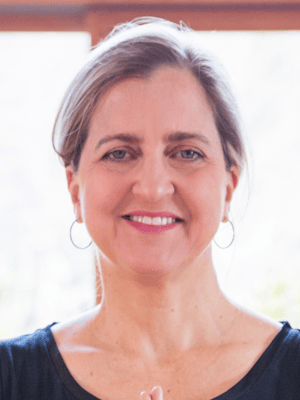
About Kristine Weber, MA, C-IAYT, eRYT500
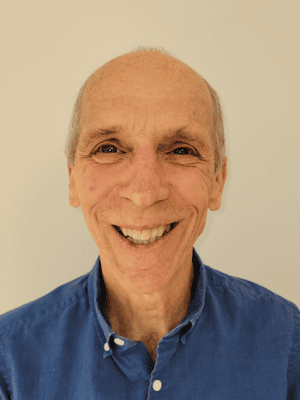
About Brett Sculthorp LCSW, LCAS, CSACP
Disclosure Statement:
CE Hours
Credit Hours:
Counselors:
Marriage and Family Therapists:
Social Workers:

Addiction Professionals:
Psychologists:
Art Therapists:
Other Professionals:
Accommodations and Policies
This course was recorded 4/3 & 4/4/2025
Related products


Testimonials
Iveyana Kiara Smith
Jessy Hainbach
Bryant Wilson
Ben Keyser
Mei Chan
Meghan Co, LCSW-C, LICSW