Assessment + Tele‑Assessment Confidence Bundle

Payment Options: Credit Card, PayPal, Venmo, or Pay Later (4 payments)
Rewards: You earn 10% on all of your orders towards your next purchase.
The add to cart button will appear once you select the values above
Specifications
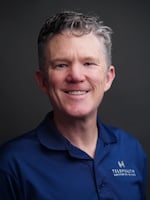
Accurate clinical assessment is the bedrock of effective treatment, yet many clinicians find themselves navigating a high-stakes landscape where traditional diagnostic methods are being challenged by the complexities of digital delivery. The transition from in-person evaluation to virtual assessment requires a specialized mastery to ensure clinical validity, ethical integrity, and patient safety are never compromised. This comprehensive collection serves as a steadying force for the clinician, bridging the gap between foundational diagnostic skills and the specific nuances of remote psychological evaluation. By integrating robust assessment training with telehealth best practices, this bundle empowers you to practice with the confidence and clinical integrity necessary for modern, high-quality healthcare. Led by seasoned experts including clinical psychologist and neurodiversity specialist Dr. Amy Marschall, developmental disability authority Dr. Jason Buckles, and TCI founder Raymond Barrett, the faculty brings decades of combined experience in assessment, ethics, and telehealth implementation. Their diverse clinical backgrounds ensure a rich, multi-perspective learning experience that is both academically rigorous and deeply practical for post-graduate professionals. These self-paced courses utilize a curated blend of foundational theory, evidence-based practical strategies, and illustrative case studies to demystify complex diagnostic processes. This practical framework allows you to move beyond abstract concepts into actionable workflows that can be immediately applied to both physical and virtual clinical settings. Participants will explore a dense range of clinical themes, including the biopsychosocial assessment model, risk and safety planning, and the intersection of neurodiversity and diagnosis. The scope extends to the logistical and ethical complexities of telemental health, covering HIPAA-compliant technology, cross-jurisdictional practice, and the strategic adaptation of psychological testing instruments for remote environments. We invite you to join a community of forward-thinking professionals dedicated to clinical excellence and compassionate care. This bundle provides the necessary scaffolding to transform complex diagnostic challenges into opportunities for resilience and growth. Enroll now in the Assessment + Tele-Assessment Confidence Bundle and become the clinician who leads with precision and empathy in the digital era. Instruction consists of a total of over 21 hours of video instruction, and a post-test for each course. Each course is a non-interactive, recorded self-study. Today’s diagnostic landscape is more complex—and more critical—than ever. With diagnoses influencing access to care, legal decisions, and identity, clinicians must make ethical, accurate, and culturally informed choices that account for both scientific criteria and human complexity. This self-paced, 12-hour training equips mental health professionals with the knowledge, skills, and confidence to conduct diagnostic assessments grounded in both DSM-5-TR criteria and real-world clinical judgment. It’s a thoughtful, practical course for those who want to refine their approach to diagnosis and provide more responsible, person-centered care. Topics covered include the historical evolution of diagnostic systems, the social construction of mental illness, DSM-5 to DSM-5-TR changes, the structure and function of the Mental Status Examination, psychiatric assessment components, the biopsychosocial model, diagnostic categories (including trauma-related, mood, anxiety, psychotic, and substance use disorders), and special considerations for grief, cognitive differences, and intellectual disability. Psychological assessments are a cornerstone of diagnostic accuracy—but how do clinicians uphold best practices when the tools, environments, and communication channels shift to telehealth? In a world where remote services are essential, assessors are under increased pressure to adapt without sacrificing quality, ethics, or clinical effectiveness. This course offers a practical and research-based roadmap for clinicians navigating the rapidly evolving landscape of telemental health assessments. If you’ve felt unsure about how to replicate the integrity of in-person assessments through a screen, this training meets that challenge head-on. Topics covered include mental status examinations, diagnostic and intake interviews, and behavioral observations conducted via telehealth. You'll explore the remote use of cognitive/IQ, personality, achievement, and projective assessments, with guidance on ethical adaptations, test security, client environment evaluation, and how to work with children or clients with special considerations. The course also details APA and IOPC guidelines, hybrid and asynchronous models, and documentation standards for remote testing. You’ve worked hard to earn your license—but providing care across a screen raises a whole new set of questions, risks, and challenges. How do you stay legally compliant when your client is out of state? How do you maintain ethical boundaries, ensure privacy, or even build rapport without being in the same room? Telemental health isn't just a convenience—it's a clinical, legal, and ethical minefield unless you know how to navigate it. This course gives clinicians the practical knowledge they need to feel confident, competent, and compliant when offering behavioral health services via video and phone. It’s your foundational guide to doing telemental health the right way, from the ground up. This 3-hour self-study course covers the core components of providing telemental health services. Topics include: definitions and benefits of telemental health, key legal and licensure considerations, ethical standards specific to virtual care, technology selection and use, emergency management planning, preparing clients for remote sessions, and conducting effective therapy by video or phone. Enrollment in the Assessment + Tele‑Assessment Confidence Bundle includes: These courses are intended for clinicians who provide behavioral health services. These are non-interactive, self-study courses. Teaching methods include recorded lectures, videos, a post-test, and a course evaluation. Course access and completion instructions. Originally from Cleveland, Ohio, Jason earned his Bachelor’s in Psychology at New York University in 1996. While there he worked on diagnostic projects at Bellevue Hospital and the New York State Psychiatric Institute. He earned his Master’s in Counseling at The University of New Mexico in 2001 and PhD in Special Education at The University of New Mexico in 2016. His dissertation focused on the experiences of direct support professionals who support people with sexually challenging behavior. Since 2002 Jason has been owner of Talkabout Inc., a Behavior Consultation agency specializing in supports for people with intellectual disability and concurrent mental health diagnoses. From 2012 through 2016 Jason was the Statewide Clinical Director of the New Mexico Department of Health – Bureau of Behavioral Support overseeing statewide systems of behavioral support consultation. From 2016-2019 Jason was the Executive Director of A Better Way of Living, a CQL accredited agency that provides life-wide supports for people with intellectual disability. He is currently a contracting consultant with the New Mexico Department of Health where he supervises the sexual risk screening program, the ongoing development of behavior support systems, and provides statewide trainings on co-occurring mental health conditions for people with intellectual disability among other topics. For several years Jason has also served as the Program Manager for the Developmental Disability/Mental Illness project with the University of New Mexico. For most of the past 20 years he was a part time instructor at both The University of New Mexico teaching Introduction to Intellectual Disability and at New Mexico Highlands University teaching DSM Assessment for Counselors. Dr. Marschall earned her doctoral degree in clinical psychology from the University of Hartford in West Hartford, Connecticut. She completed her pre-doctoral internship through the National Psychology Training Consortium and her post-doctoral residency at Family Psychological Center, PA. Dr. Marschall has been in practice since 2016 and currently owns a private practice, RMH-Therapy, where she provides therapy primarily to children and adolescents and psychological evaluations. Her clinical specializations include trauma-informed and neurodiversity-affirming care, trauma therapy, autism, and ADHD. She also provides ADHD assessments through ADHD Online and therapy services through Spring Health. She teaches continuing education through PESI, Spring Health, and the Telehealth Certification Institute. Dr. Marschall is certified in telemental health and is the author of Telemental Health with Kids Toolbox and Telemental Health with Kids Toolbox: Volume 2. She is also the author of the following: She created a website, Resiliency Mental Health, to provide resources for therapists and anyone who wants to learn more about mental health. Raymond Barrett is the founder and CEO of the Telehealth Certification Institute, LLC (TCI). A licensed mental health counselor (LMHC), Ray is an innovator and leader in the field of telemental health. He’s an expert telehealth trainer, a respected speaker, and a trusted consultant. Ray’s inspiration for TCI came from his clients that started asking him to conduct their therapy sessions over the phone. Ray had discovered a knowledge gap in mental health training. He wanted to fill that void with comprehensive and practical training in telemental health - so Ray created that training for himself and fellow clinicians. Since 2014, TCI has delivered comprehensive telehealth training and consultation to a global network of more than 40,000 healthcare organizations and professionals. TCI now offers over 180 specialized courses, a vast array of telehealth resources, and ongoing free continuing education opportunities for telehealth providers. Among the most sought-after courses offered by TCI is the Telemental Health Training Certificate (THTC Certificate) program. Ray played a significant role in developing the initial curriculum for the Board Certified Telemental Health credential (BC-TMH) for the Center for Credentialing and Education (CCE). He reviewed every training module. He helped draft content, including questions for exams. He even wrote and developed the initial draft of one of the training modules: Telemental Health Settings and Coordination of Care. The American Telemedicine Association (ATA) - the most respected organization for telehealth - recently overhauled its guidelines. Ray was on the writing committee that developed Best Practices in Synchronous Videoconferencing-Based Telemental Health in March 2022. In 2019, Ray participated in a task force for developing a clinical rating process for mobile apps designed to help treat depression. The recommendations were presented to ATA. The Commission on Accreditation of Rehabilitation Facilities (CARF) is an independent, nonprofit organization that provides accreditation services worldwide at the request of health and human service providers. As part of the International Standards Advisory Committee (ISAC), Ray helped establish CARF’s standards for virtual services. Ray also is a frequent speaker and consultant for professional organizations. He has presented for over 20 organizations since 2015. The instructor(s) for this course receive compensation for their services. There are no reported conflicts of interest to disclose. This program consists of a total of 21 continuing education hours of credit (1 of which is ethics). (Individual courses offer separate certificates with CEs) Telehealth Certification Institute, LLC has been approved by NBCC as an Approved Continuing Education Provider, ACEP No, 6693. Programs that do not qualify for NBCC credit are clearly identified. Telehealth Certification Institute, LLC is solely responsible for all aspects of the programs. Telehealth Certification Institute, LLC is recognized by the New York State Education Department's State Board for Mental Health Practitioners as an approved provider of continuing education for Licensed Mental Health Counselors. #MHC-0048. Many MFT licensing boards accept our courses or one of the approvals which we have from professional associations. You can check with your board to determine if your licensing board would accept this course. Telehealth Certification Institute, LLC is recognized by the New York State Education Department's State Board for Mental Health Practitioners as an approved provider of continuing education for licensed marriage and family therapists #MFT-0135, effective May 8, 2025. Telehealth Certification Institute LLC, #1609, is approved as an ACE provider to offer social work continuing education by the Association of Social Work Boards (ASWB) Approved Continuing Education (ACE) program. Regulatory boards are the final authority on courses accepted for continuing education credit. ACE provider approval period: 05/02/2024 – 05/02/2027. Social workers completing these courses receive a total of 1 ethics and 20 clinical continuing education credits. Telehealth Certification Institute, LLC is recognized by the New York State Education Department's State Board for Social Work as an approved provider of continuing education for Licensed Social Workers #SW-0435. This course has been approved by Telehealth Certification Institute LLC, as a NAADAC Approved Education Provider, for educational credits. NAADAC Provider #193104, Telehealth Certification Institute LLC is responsible for all aspects of the programming. Telehealth Certification Institute LLC is approved by the American Psychological Association to sponsor continuing education for psychologists. Telehealth Certification Institute LLC maintains responsibility for this program and its content. Telehealth Certification Institute, LLC is recognized by the New York State Education Department’s State Board for Psychology as an approved provider of continuing education for Licensed Psychologists #PSY-0128. Telehealth Certification Institute, LLC is recognized by the New York State Education Department's State Board for Mental Health Practitioners as an approved provider of continuing education for Licensed Creative Arts Therapists #CAT-0093. This course qualifies for 1260 minutes of instructional content as required by many national, state and local licensing boards and professional organizations. Retain your certificate of completion and contact your board or organization for specific filing requirements. Close Captioning is available for live webinars and recorded video presentations. You can click on the following links to view our policies:Description

Key Takeaways:
Why this course bundle?
Format and Access
Individual Course Information
Upon registration, the following courses will be added to your account:
1. Assessment and Diagnosis Training Program + the Assessment and Diagnosis Training Certificate (ADTC)
Learning Objectives:
2. Telemental Health and Psychological Assessments
Learning Objectives:
3. Foundations of Telemental Health
Learning Objectives:
Course Details
What is included:
Who Should Attend:
Teaching Methods:
How to Attend:
Instructors and Disclosures
Instructors

About Dr. Jason Buckles, Ph.D., LPCC

About Dr. Amy Marschall, Psy.D.
About Raymond Barrett, LMHC
Disclosure Statement:
CE Hours
Credit Hours:
Counselors:
Marriage and Family Therapists:
Social Workers:

Addiction Professionals:
Psychologists:
Art Therapists:
Other Professionals:
Accommodations and Policies
Courses included in this bundle were recorded between 4/28/23 and 1/22/25
Related products


Testimonials
Iveyana Kiara Smith
Jessy Hainbach
Bryant Wilson
Ben Keyser
Mei Chan
Meghan Co, LCSW-C, LICSW