CBT Strategies for Trauma and Addiction

*
Payment Options: Credit Card, PayPal, Venmo, or Pay Later (4 payments)
Rewards: You earn 10% on all of your orders towards your next purchase.
The add to cart button will appear once you select the values above
Specifications
This course is a live, interactive webinar held on October 16, 2026, from 11am-6pm Eastern Daylight Time. This reduced price webinar does not offer CE Credits. The same live event is available for purchase and offers 6 CE hours for behavioral health clinicians. See "related products" below. Registration closes at midnight (EDT) the day before the event When trauma and addiction collide in the same client, treatment becomes more complicated, progress slows, and relapse risk increases—especially when unresolved emotional wounds and destructive coping cycles feed one another. This training equips you with a trauma-informed CBT framework to interrupt these patterns at their root rather than chasing symptoms session after session. If you frequently work with clients who “numb out,” self-medicate, or cycle between PTSD symptoms and addictive behaviors, this course offers a structured, research-informed way to conceptualize and treat co-occurring trauma and substance use with greater clarity and confidence. Jeff Riggenbach, Ph.D., trained at The Beck Institute for Cognitive Therapy and Research and has spent over 20 years developing and directing cognitive-behaviorally based treatment programs for Mood Disorders, Anxiety Disorders, Addictive Behavior Disorders, and Personality Disorders in psychiatric hospitals and clinics. He and his staff have treated hundreds of individuals struggling with trauma and addiction in both individual and dual diagnosis intensive outpatient settings. His depth of experience directly informs this course’s focus on maladaptive schemas, behavioral pattern-breaking, impulse control, and integrated trauma-addiction treatment models. Utilizing didactic teaching, case studies, and humor, Dr. Riggenbach takes “top shelf” academic and research findings and puts them on the “bottom shelf” so clinicians can practically apply them with real-world clients. Participants will learn to conceptualize trauma and addiction through a cognitive and schema-informed lens, develop individualized case formulations, and apply structured interventions that target both PTSD symptoms and addictive behavior cycles simultaneously. This course begins by examining the increasingly well-established relationship between trauma and addiction, including how individuals with unresolved trauma often turn to substances to regulate overwhelming emotions, and how addictive behaviors can increase vulnerability to further trauma exposure. Participants will develop a working knowledge of the cognitive model of psychotherapy, including the 18 early maladaptive schemas and their role in maintaining destructive behavioral cycles. The training also covers behavioral pattern-breaking tools, soothing and grounding skills to prepare clients for trauma processing, complex chain analysis to strengthen impulse control, the three types of avoidance that perpetuate PTSD symptoms, and four treatment components of a “Smart Recovery” framework. Specific cognitive models of PTSD and addictive behavior disorders will be presented, along with practical protocols proven effective with this population. When up to 75% of individuals with substance use disorders report trauma histories and up to 50% of those diagnosed with PTSD struggle with substance-related problems, clinicians need a model that accounts for both sides of this vicious cycle. This training offers a structured, schema-informed CBT approach that helps clients break destructive loops and move steadily toward lasting recovery—an opportunity to deepen your clinical impact and strengthen outcomes in even your most complex cases. This course is a live, interactive webinar. Schedule: (listed in Eastern Daylight Time) Course access and completion instructions. This course is intended for clinicians who provide behavioral health services. This is a live, interactive webinar. Jeff Riggenbach, PhD, is a best-selling and award-winning author/speaker/clinician who has trained audiences in all 50 United States, Canada, Mexico, The UK, Ireland, Malta, Australia, New Zealand, and South Africa. He has devoted the past 25 years to developing advanced expertise in cognition and personality. He personally trained at The Beck Institute of Cognitive Therapy and Research to develop his hospital's Borderline Personality Disorder Treatment Program, which has not treated over 500 patients with BPD across multiple levels of care. He has since developed and directed cognitive-behavioral based programs for Depression, Anxiety Disorders, and Addictive Behavior Disorders. Jeff's approach of taking evidence-based treatments and presenting them in ways that can be used by everyday clinicians "in the trenches" has earned him the nickname "The Practical Toolbox Guy," and his trainings often receive the highest marks from conference participants. The instructor(s) for this course receive compensation for their services. There are no reported conflicts of interest to disclose. This reduced price webinar does not offer CE credits, just great content. The same live event is available for purchase and offers 6 CE hours for behavioral health clinicians. See "related products" below. Participants may request a printed version of their certificate of attendance to be delivered by mail. A shipping/handling fee of $6.95 will be charged per request. Shipping internationally may require an additional charge. By registering for this event you are agreeing to the following: Close Captioning is available for live webinars and recorded video presentations. You can click on the following links to view our policies:Description
Key Takeaways:
Why This Course?
Learning Objectives
Format and Access
Course Details
How to Attend:
Who Should Attend:
Teaching Methods:
Instructors and Disclosures
Instructor
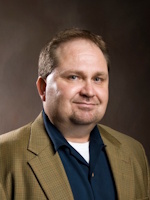
About Jeff Riggenbach, Ph.D.
Disclosure Statement:
CE Hours
Agreement
Accommodations and Policies
Related products

Testimonials
Iveyana Kiara Smith
Jessy Hainbach
Bryant Wilson
Ben Keyser
Mei Chan
Meghan Co, LCSW-C, LICSW