Empowered Healer: Creating an Empowerment Plan for Our Healthcare Professional Clients

Payment Options: Credit Card, PayPal, Venmo, or Pay Later (4 payments)
Rewards: You earn 10% on all of your orders towards your next purchase.
The add to cart button will appear once you select the values above
Specifications
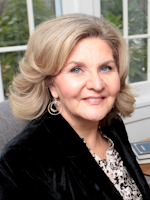
This course does not offer CE Credits. The same course is available for purchase and offers 2 CE hours for behavioral health clinicians. See "related products" below. Healthcare professionals are often trained to keep functioning under pressure, even when they are grieving, burned out, overwhelmed, or experiencing signs of emotional or behavioral relapse. For many clinicians, nurses, physicians, first responders, and other healthcare workers, the same commitment that makes them effective helpers can also make it difficult to slow down, seek support, recognize impairment, or respond to their own early warning signs before distress escalates. For behavioral health professionals, supporting healthcare professional clients requires more than offering coping skills or encouraging “resilience.” These clients may need a more individualized, nonjudgmental, and practical way to understand their inner experience, identify subtle signs of distress, and create a plan that honors both their professional responsibilities and their humanity. Elizabeth Hartshorn, LPC, MAC, brings more than 30 years of experience in mental health and addiction treatment, along with experience as a clinical supervisor, educator, and clinician focused on working with licensed healthcare professionals. Her background allows her to address burnout, relapse prevention, professional impairment, and self-care with practical insight into the pressures healthcare professionals face and the importance of helping helpers reconnect with their own needs, values, and inner wisdom. Rather than positioning clients as problems to be fixed, this course introduces the empowerment plan as a humanistic, individualized complement to traditional treatment planning. Elizabeth Hartshorn acknowledges that formal treatment plans may still be required in many clinical, agency, and insurance-based settings, while showing how empowerment planning can help clients identify what matters to them, where they feel depleted, and what kinds of support are realistic in daily life. Clinicians explore how tools such as an “Empowered Healer” declaration, circles or life-area wheels, personalized mood tracking, somatic awareness, and daily rituals can help clients build self-awareness without turning recovery into another perfectionistic goal-setting exercise. A major emphasis is recognizing early “whispers,” “taps,” and “sledgehammers” of distress so clients can respond sooner, revise their plan with less shame, and develop a more compassionate understanding of their whole life. Register for this course to learn a practical, reflective framework for helping healthcare professional clients recognize early signs of distress, develop individualized support strategies, and approach recovery with greater self-awareness, flexibility, and compassion. This is a non-interactive, self-study program and consists of over 2 hours of video instruction, and an evaluation. From the time of registration, you have six months to access the coursework. This course is intended for clinicians who provide behavioral health services. This is a non-interactive, self-study course. Teaching methods for this course include recorded lectures, videos, a post-test, and a course evaluation. Course access and completion instructions. About Elizabeth Hartshorn, LPC Elizabeth Hartshorn is the owner of Full Circle Counseling & Coaching, LLC, based in West Linn, Oregon. With over three decades of experience in the fields of mental health and addiction treatment. Elizabeth is an approved clinical supervisor with the Oregon Board of Professional Counselors and Therapists. Her extensive experience includes adjunct faculty for the counselor education department at Portland State University and former board member for the Oregon Board of Professional Counselors. Driven by her own dark night of the soul, Elizabeth has honed her clinical focus on treating licensed healthcare professionals and providing professional training. Additionally, she offers the "Empowered Healer" online coaching program, which is designed to extend her reach and impact. Outside her professional endeavors, Elizabeth treasures the time spent engaging in outdoor activities in the Pacific Northwest and with her grandson, who she fondly believes to be the sweetest boy in the world. The instructor(s) for this course receive compensation for their services. There are no reported conflicts of interest to disclose. This course does not offer CE credits, just great content. The same course is available for purchase and offers 2 CE hours for behavioral health clinicians. See "related products" below. This course is a non-interactive, online self-study. Participants may request a printed version of their certificate of completion to be delivered by mail. A shipping/handling fee of $6.95 will be charged per request. Shipping internationally may require an additional charge. Close Captioning is available for live webinars and recorded video presentations. You can click on the following links to view our policies:Description
Key Takeaways
Why This Course?
Learning Objectives
Format and Access
Course Details
Availability:
Who Should Attend:
Teaching Methods:
How to Attend:
Instructors and Disclosures
Instructor
Disclosure Statement:
CE Hours
Accommodations and Policies
This course was recorded 11/14/2025
Related products

Testimonials
Iveyana Kiara Smith
Jessy Hainbach
Bryant Wilson
Ben Keyser
Mei Chan
Meghan Co, LCSW-C, LICSW