Empowered Healer: What Healthcare Professionals Need You to Know and How to Help Them Heal

Payment Options: Credit Card, PayPal, Venmo, or Pay Later (4 payments)
Rewards: You earn 10% on all of your orders towards your next purchase.
The add to cart button will appear once you select the values above
Specifications
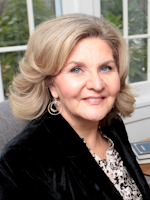
This course does not offer CE Credits. The same course is available for purchase and offers 3 CE hours for behavioral health clinicians. See "related products" below. Healthcare professionals are hurting in plain sight—overextended by systems that prize productivity over people, praised as “heroes” while carrying invisible wounds, and left to reconcile impossible choices with their conscience. When perfectionism, parentification, and an overlearned sense of responsibility collide with moral injury and chronic stress, the result isn’t just burnout—it’s a slow erosion of identity, meaning, and clinical presence. Led by Elizabeth Hartshorn, LPC—clinical supervisor, depth-oriented therapist, and longtime clinician to physicians, nurses, therapists, and other healthcare workers—you’ll learn how to accurately differentiate impairment from wounding, name what’s actually harming your healthcare-professional clients (moral injury, cumulative trauma, boundary collapse, the “caregiver complex”), and guide them from survival to Empowered Healer. Hartshorn’s approach is rigorous and humane: Jungian/existential depth work paired with practical referral pathways (EMDR, DBT, somatic treatments), concrete consent language, and supervisor-level ethics when impairment is present. With her experiential teaching style, Hartshorn invites you into the work: brief mindfulness to center the room; a three-panel reflection (impaired, wounded, empowered) to map identity; and intention-setting that threads through the session. She models how to use self-disclosure ethically (what to share, what to keep, and how to pivot from the clinician’s story back to the client’s growth), how to speak plainly about suicidality (no euphemisms), and how to recognize the “slow slide” toward impairment long before a crisis. She also surfaces the quiet drivers of distress—loss of autonomy, loss of meaning, institutional pressures to “resilience-train” people back into harmful environments—and replaces them with an Empowerment Plan that restores agency and meets universal human needs (connection, rest, purpose, safety, belonging) in and beyond work. You’ll apply these skills to the realities healthcare professionals face: being labeled “heroes,” working under 15-minute visit quotas while delivering life-altering news, absorbing secondary trauma, managing countertransference when clients enact harmful beliefs, and navigating polarized spaces without shaming or “canceling” the therapeutic relationship. Topics include moral injury (definition, presentation, repair), caregiver complex and parentification, shadow/activation work and countertransference, boundary clarity, impairment decision-points (what to say, what to document, where to refer), universal human needs mapping, meaning and vocation versus employment, and the design of a client-owned Empowerment Plan that can live past discharge. Identify and name moral injury, caregiver complex, and parentification in healthcare clients—and distinguish wounding from true impairment with clear behavioral markers and next steps. Use depth-informed, culturally responsive strategies (mindfulness grounding, shadow/activation framing, limited ethical self-disclosure) to strengthen alliance without centering the clinician. Build a personalized Empowerment Plan that restores autonomy and meaning, integrates referrals (EMDR/DBT/somatic), and operationalizes universal human needs at work and at home. Replaces vague “burnout” talk with precise, clinically actionable language and tools specific to healthcare professionals. Translates Jungian/existential depth work into session-ready moves—assessing activation, using disclosure ethically, and maintaining strong guardrails. Provides a repeatable framework to move clients from survival to Empowered Healer—supporting client welfare, clinician integrity, and team culture. Differentiate impairment, wounding, and empowerment in healthcare professionals; spot early warning signs and outline ethically sound intervention/referral steps. Conduct values-aligned treatment planning using the Empowerment Plan to map universal needs, meaning/purpose, and autonomy back into daily life. Apply depth-informed techniques (activation vs. “trigger,” shadow work, caregiver-complex re-patterning) and use clear, direct safety language for suicidality/homicidality in session. Are your healthcare-professional clients surviving on grit while losing themselves in the work? Help them reclaim meaning, boundaries, and self-leadership—without asking them to “be more resilient” to systems that harm them. Enroll today to get a practical, humane framework you can use in your very next session. This is a non-interactive, self-study program and consists of over 3 hours of video instruction, and an evaluation. From the time of registration, you have six months to access the coursework. This course is intended for clinicians who provide behavioral health services. This is a non-interactive, self-study course. Teaching methods for this course include recorded lectures, videos, a post-test, and a course evaluation. Course access and completion instructions. About Elizabeth Hartshorn, LPC Elizabeth Hartshorn is the owner of Full Circle Counseling & Coaching, LLC, based in West Linn, Oregon. With over three decades of experience in the fields of mental health and addiction treatment. Elizabeth is an approved clinical supervisor with the Oregon Board of Professional Counselors and Therapists. Her extensive experience includes adjunct faculty for the counselor education department at Portland State University and former board member for the Oregon Board of Professional Counselors. Driven by her own dark night of the soul, Elizabeth has honed her clinical focus on treating licensed healthcare professionals and providing professional training. Additionally, she offers the "Empowered Healer" online coaching program, which is designed to extend her reach and impact. Outside her professional endeavors, Elizabeth treasures the time spent engaging in outdoor activities in the Pacific Northwest and with her grandson, who she fondly believes to be the sweetest boy in the world. The instructor(s) for this course receive compensation for their services. There are no reported conflicts of interest to disclose. This course does not offer CE credits, just great content. The same course is available for purchase and offers 3 CE hours for behavioral health clinicians. See "related products" below. This course is a non-interactive, online self-study. Participants may request a printed version of their certificate of completion to be delivered by mail. A shipping/handling fee of $6.95 will be charged per request. Shipping internationally may require an additional charge. Close Captioning is available for live webinars and recorded video presentations. You can click on the following links to view our policies:Description
This course meets that moment with a clear, compassionate roadmap grounded in real clinical practice.Key Takeaways
Why This Course?
Learning Objectives
Format and Access
Course Details
Availability:
Who Should Attend:
Teaching Methods:
How to Attend:
Instructors and Disclosures
Instructor
Disclosure Statement:
CE Hours
Accommodations and Policies
This course was recorded 10/24/2025
Related products

Testimonials
Iveyana Kiara Smith
Jessy Hainbach
Bryant Wilson
Ben Keyser
Mei Chan
Meghan Co, LCSW-C, LICSW