Foundations of CBT: Theory, Conceptualization, and Standard Interventions

Payment Options: Credit Card, PayPal, Venmo, or Pay Later (4 payments)
Rewards: You earn 10% on all of your orders towards your next purchase.
The add to cart button will appear once you select the values above
Specifications
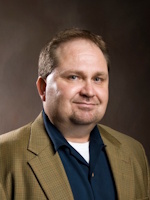
Foundations of CBT: Theory, Conceptualization, and Standard Interventions is Module One of the 3-course Cognitive Behavioral Therapy Training Certificate (CBTTC). For more information on the CBTTC and discounted enrollment in the full program, please visit this page. Many clinicians describe their work as including “some CBT.” Yet an eclectic or integrative approach can become so broad that it leaves out the core elements that distinguish cognitive behavioral therapy from supportive counseling or a collection of disconnected coping skills. When clients have previously been told they received CBT but experienced only venting, journaling, breathing exercises, or a few isolated techniques, they may conclude the model does not work for them—even though they were never fully introduced to its collaborative structure and foundational methods. CBT is not simply positive thinking, nor does it disregard emotions, the therapeutic relationship, past experiences, culture, or complex clinical presentations. Its usefulness depends on helping clients understand how events, thoughts, emotions, actions, and results influence one another; tailoring the approach to the client’s needs, values, preferences, and readiness; and linking interventions to personally meaningful goals. For behavioral health professionals, a clear foundation in the model can support stronger client engagement, more coherent case formulation, and more intentional treatment. Jeff Riggenbach, PhD, trained at The Beck Institute for Cognitive Therapy and Research and has spent more than 20 years developing and directing cognitive-behaviorally based programs for mood, anxiety, addictive behavior, and personality disorders across multiple levels of psychiatric care. He has trained clinicians in all 50 states and nine countries, with a focus on translating CBT research and theory into practical tools for everyday clinical work. Through didactic teaching, case examples, guided exercises, and humor, Jeff makes foundational and more advanced CBT concepts accessible without reducing the model to a list of techniques. His practical approach connects theory, schemas, case conceptualization, structured sessions, and intervention selection to the decisions clinicians make across treatment settings. Beginning with five common myths about CBT, the course clarifies what the model is—and is not—before demonstrating how to socialize clients to it in a collaborative, individualized, and hope-building way. You will examine the three levels of cognition, Jeff Young’s 18 early maladaptive schemas, and the ways schemas filter information, become activated, and are reinforced through maintenance, avoidance, and overcompensation. A step-by-step cognitive conceptualization process shows how to connect significant historical experiences with present-day triggers, thoughts, emotions, actions, and outcomes, creating a client-specific “roadmap to recovery” that can guide treatment goals, session agendas, intervention choices, and documentation. Practical transdiagnostic strategies include mindfulness and time-limited distraction, cognitive restructuring and distortion-based questioning, activity monitoring and scheduling, and behavioral experiments, all within a broader framework that recognizes the importance of the therapeutic alliance, environmental context, homework, relapse prevention, and booster sessions. Enroll today to strengthen the foundations behind competent CBT practice and gain a clearer, more collaborative way to explain the model, conceptualize cases, and select practical interventions across clinical settings and levels of care. This is a non-interactive, self-study course that offers over 5 hours of recorded video instruction, a post-test and a course evaluation. From the time of registration, you have six months to access the coursework. This course is intended for clinicians who provide behavioral health services. This is a non-interactive, self-study course. Teaching methods for this course include recorded lectures, videos, a post-test, and a course evaluation. Course access and completion instructions. Jeff Riggenbach, PhD, is a best-selling and award-winning author/speaker/clinician who has trained audiences in all 50 United States, Canada, Mexico, The UK, Ireland, Malta, Australia, New Zealand, and South Africa. He has devoted the past 25 years to developing advanced expertise in cognition and personality. He personally trained at The Beck Institute of Cognitive Therapy and Research to develop his hospital's Borderline Personality Disorder Treatment Program, which has not treated over 500 patients with BPD across multiple levels of care. He has since developed and directed cognitive-behavioral based programs for Depression, Anxiety Disorders, and Addictive Behavior Disorders. Jeff's approach of taking evidence-based treatments and presenting them in ways that can be used by everyday clinicians "in the trenches" has earned him the nickname "The Practical Toolbox Guy," and his trainings often receive the highest marks from conference participants. The instructor(s) for this course receive compensation for their services. There are no reported conflicts of interest to disclose. This course consists of 5 continuing education hours of credit. Telehealth Certification Institute, LLC has been approved by NBCC as an Approved Continuing Education Provider, ACEP No, 6693. Programs that do not qualify for NBCC credit are clearly identified. Telehealth Certification Institute, LLC is solely responsible for all aspects of the programs. Telehealth Certification Institute, LLC is recognized by the New York State Education Department's State Board for Mental Health Practitioners as an approved provider of continuing education for Licensed Mental Health Counselors. #MHC-0048. Many MFT licensing boards accept our courses or one of the approvals which we have from professional associations. You can check with your board to determine if your licensing board would accept this course. Telehealth Certification Institute, LLC is recognized by the New York State Education Department's State Board for Mental Health Practitioners as an approved provider of continuing education for licensed marriage and family therapists #MFT-0135, effective May 8, 2025. Telehealth Certification Institute LLC, #1609, is approved as an ACE provider to offer social work continuing education by the Association of Social Work Boards (ASWB) Approved Continuing Education (ACE) program. Regulatory boards are the final authority on courses accepted for continuing education credit. ACE provider approval period: 05/02/2024 – 05/02/2027. Social workers completing this course receive 5 clinical continuing education credits. Telehealth Certification Institute, LLC is recognized by the New York State Education Department's State Board for Social Work as an approved provider of continuing education for Licensed Social Workers #SW-0435. This course has been approved by Telehealth Certification Institute LLC, as a NAADAC Approved Education Provider, for educational credits. NAADAC Provider #193104, Telehealth Certification Institute LLC is responsible for all aspects of the programming. Telehealth Certification Institute LLC is approved by the American Psychological Association to sponsor continuing education for psychologists. Telehealth Certification Institute LLC maintains responsibility for this program and its content. Telehealth Certification Institute, LLC is recognized by the New York State Education Department’s State Board for Psychology as an approved provider of continuing education for Licensed Psychologists #PSY-0128. Telehealth Certification Institute, LLC is recognized by the New York State Education Department's State Board for Mental Health Practitioners as an approved provider of continuing education for Licensed Creative Arts Therapists #CAT-0093. This course qualifies for 300 minutes of instructional content as required by many national, state and local licensing boards and professional organizations. Retain your certificate of completion and contact your board or organization for specific filing requirements. This is a non-interactive, self-study course. Close Captioning is available for live webinars and recorded video presentations. You can click on the following links to view our policies:Description
Key Takeaways
Why This Course?
Learning Objectives
Format and Access
Course Details
Availability:
Who Should Attend:
Teaching Methods:
How to Attend:
Instructor and Disclosures
Instructor
About Jeff Riggenbach, Ph.D.
Disclosure Statement:
CE Hours
Credit Hours:
Counselors:
Marriage and Family Therapists:
Social Workers:

Addiction Professionals:
Psychologists:
Art Therapists:
Other Professionals:
Accommodations and Policies
This course was recorded 7/10/26
Related products




Testimonials
Iveyana Kiara Smith
Jessy Hainbach
Bryant Wilson
Ben Keyser
Mei Chan
Meghan Co, LCSW-C, LICSW