Making the Decision to Report Suspected Child Maltreatment

Payment Options: Credit Card, PayPal, Venmo, or Pay Later (4 payments)
Rewards: You earn 10% on all of your orders towards your next purchase.
The add to cart button will appear once you select the values above
Specifications
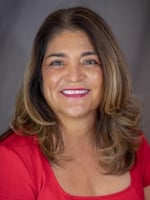
This course satisfies NYS' mandated reporter training requirement. When you’re the one mandated to decide, “Do I report this?”—the stakes are impossibly high: children’s safety, families’ trust, your ethical integrity, and your legal obligations all converge in a single decision that must be timely, defensible, and free from bias, including when you’re meeting virtually. With New York State’s updated requirements under Chapter 56 of the Laws of 2021 (amending Social Services Law § 413) now expanding mandated reporter training to include protocols to reduce implicit bias, strategies for identifying adverse childhood experiences (ACEs), and guidance for recognizing signs of abuse or maltreatment during virtual encounters, this course equips you to make sound, equitable decisions that protect children and support families. For behavioral health professionals, this distinction matters. Unnecessary reports can strain therapeutic trust, increase family stress, overburden child protective systems, and discourage families from seeking help. At the same time, clinicians must be prepared to recognize indicators of abuse or maltreatment, respond appropriately when a child may be unsafe, and document their reasoning clearly when deciding whether a report is or is not required. Dr. Kathryn Krase, Ph.D., J.D., M.S.W., brings a combined legal and social work perspective to this training. As a longtime mandated reporter trainer, attorney, social worker, author, and founder of Making the Tough Call, Dr. Krase helps professionals understand the legal definitions, ethical tensions, and real-world decision points that shape reporting obligations. Pauline Lucero, MA, LPCC, contributes specialized experience as a clinician, forensic interviewer, and behavior support consultant with extensive work involving children and adults with intellectual and developmental disabilities, adding important guidance on vulnerability, communication, and disability-specific considerations. Rather than encouraging reflexive reporting, the course helps professionals think critically about the purpose and limits of Child Protective Services, the legal definitions of abuse and neglect, and the difference between risk, harm, imminent danger, and family need. Dr. Krase clarifies how concerns related to neglect, supervision, substance use, corporal punishment, physical injury, sexual abuse, emotional abuse, and virtual encounters should be evaluated through legal definitions rather than personal assumptions about parenting, poverty, culture, disability, or family structure. The training also addresses trauma, ACEs, protective factors, implicit and explicit bias, and the importance of “mandated supporting” when a report is not required. Participants are guided to consider how to respond with empathy, curiosity, documentation, and appropriate referrals while still meeting legal obligations when reasonable cause exists. The supplemental module on intellectual and developmental disabilities focuses on recognizing vulnerability, avoiding diagnostic overshadowing, understanding baseline behavior and communication patterns, and knowing which reporting pathway may apply based on the child’s setting. By the end, you’ll have a clear, bias-aware, and ACEs-informed process for mandated reporting—one that stands up ethically and legally, travels well to virtual care, and pays careful attention to the unique presentation of children with I/DD. If you’re ready to align with New York’s updated standards while elevating your everyday practice, this training offers a timely, comprehensive path forward. Join this training to strengthen your judgment, meet the updated mandate, and join a community of professionals committed to protecting children while supporting families. This is a non-interactive, self-study course. Instruction consists of 2.5 hours of video instruction and a post-test. Chapter 56 of the Laws of 2021 amended Social Services Law § 413 to require additional training to include protocols to reduce implicit bias in decision-making processes, strategies for identifying adverse childhood experiences, and guidelines to assist in recognizing signs of abuse or maltreatment while interacting virtually within the New York State Mandated Identification and Reporting of Child Abuse and Maltreatment/Neglect coursework. This law requires that mandated reporters, including those who have previously undergone the current training, complete the updated training curriculum by April 1, 2025. (source: https://www.op.nysed. Telehealth Certification Institute LLC, provider #81015 is approved by the New York State Education Department to fulfill the required training. From the time of registration, you have six months to access the coursework. This course is intended for clinicians who provide behavioral health services. Course access and completion instructions. This is a non-interactive, self-study course. Teaching methods for this course include recorded lectures, videos, a post-test, and a course evaluation. Kathryn Krase, Principal Consultant with Krase Consultant and founder of Making the Tough Call is an expert on the professional reporting of suspected child maltreatment. She has authored multiple books and articles on the subject. She has years of experience consulting with government and community-based organizations to develop policy & practice standards. “Making the Tough Call” is a project of Krase Consulting. Kathryn S. Krase is the sole proprietor of both initiatives. Both Making the Tough Call and Krase Consulting are registered entities in New York State. Pauline is a bilingual mental health therapist and nationally known trainer and consultant. For over 34 years, she has provided consultation to multi-disciplinary teams working on complex child abuse cases. She was the forensic interviewer with the team that implemented the first Children’s Advocacy Center in Albuquerque in 1990. She has worked with numerous Native American communities across NM and the nation. She has trained on various issues such as providing culturally competent services, trauma in adults and children, developmental disabilities, Spanish-speaking forensic interviews, and wellness. In addition to training and consulting, since 2002, Pauline has worked as a Behavior Support Consultant for clients with disabilities. Her therapy practice focuses on children and adults who have experienced trauma and serves adults and children with disabilities. She uses a cognitive behavioral approach, implements somatic interventions, is a certified play therapist, and has a BA in Spanish Literature from the University of Rochester and an MA in Counseling from the University of New Mexico. Originally from northern NM, she has lived in Albuquerque since 1985 and has three children. The instructor for this course receive compensation for their services. There are no reported conflicts of interest to disclose. This course satisfies NYS' mandated reporter training requirement, which NYS clinicians must fulfill by April 2025. This course consists of 2.5 ethics continuing education hours of credit. Telehealth Certification Institute, LLC has been approved by NBCC as an Approved Continuing Education Provider, ACEP No, 6693. Programs that do not qualify for NBCC credit are clearly identified. Telehealth Certification Institute, LLC is solely responsible for all aspects of the programs. Telehealth Certification Institute, LLC is recognized by the New York State Education Department's State Board for Mental Health Practitioners as an approved provider of continuing education for Licensed Mental Health Counselors. #MHC-0048. Many MFT licensing boards accept our courses or one of the approvals which we have from professional associations. You can check with your board to determine if your licensing board would accept this course. Telehealth Certification Institute, LLC is recognized by the New York State Education Department's State Board for Mental Health Practitioners as an approved provider of continuing education for licensed marriage and family therapists #MFT-0135, effective May 8, 2025. Telehealth Certification Institute LLC, #1609, is approved as an ACE provider to offer social work continuing education by the Association of Social Work Boards (ASWB) Approved Continuing Education (ACE) program. Regulatory boards are the final authority on courses accepted for continuing education credit. ACE provider approval period: 05/02/2024 – 05/02/2027. Social workers completing this course receive 2.5 ethics continuing education credits. Telehealth Certification Institute, LLC is recognized by the New York State Education Department's State Board for Social Work as an approved provider of continuing education for Licensed Social Workers #SW-0435. This course has been approved by Telehealth Certification Institute LLC, as a NAADAC Approved Education Provider, for educational credits. NAADAC Provider #193104, Telehealth Certification Institute LLC is responsible for all aspects of the programming. Telehealth Certification Institute LLC is approved by the American Psychological Association to sponsor continuing education for psychologists. Telehealth Certification Institute LLC maintains responsibility for this program and its content. Telehealth Certification Institute, LLC is recognized by the New York State Education Department’s State Board for Psychology as an approved provider of continuing education for Licensed Psychologists #PSY-0128. Telehealth Certification Institute, LLC is recognized by the New York State Education Department's State Board for Mental Health Practitioners as an approved provider of continuing education for Licensed Creative Arts Therapists #CAT-0093. This course qualifies for 150 minutes of instructional content as required by many national, state and local licensing boards and professional organizations. Retain your certificate of completion and contact your board or organization for specific filing requirements. This is a non-interactive, self-study course. Close Captioning is available for live webinars and recorded video presentations. You can click on the following links to view our policies:Description
Key Takeaways
Why This Course?
Learning Objectives
Format and Access
New York Clinicians
Course Details
Availability:
Who Should Enroll:
How to Attend:
Teaching Methods:
Instructors and Disclosures
Instructors

About Kathryn Krase, Ph.D., J.D., M.S.W
About Pauline Lucero, MA, LPCC
Disclosure Statement:
CE Hours
Credit Hours:
Counselors:
Marriage and Family Therapists:
Social Workers:
Addiction Professionals:
Psychologists:
Art Therapists:
Other Professionals:
Accommodations and Policies
This course was recorded 2/7/2025 and updated on 11/14/2025

Testimonials
Iveyana Kiara Smith
Jessy Hainbach
Bryant Wilson
Ben Keyser
Mei Chan
Meghan Co, LCSW-C, LICSW