Superpowers of The Wounded Healer: Counseling Considerations
Payment Options: Credit Card, PayPal, Venmo, or Pay Later (4 payments)
Rewards: You earn 10% on all of your orders towards your next purchase.
The add to cart button will appear once you select the values above
Specifications
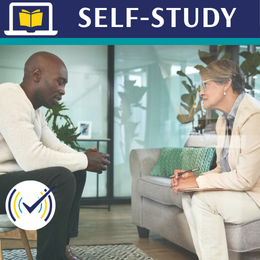
Many behavioral health professionals are drawn to healing work through experiences that have shaped their empathy, sensitivity, and commitment to others. Those experiences can become sources of wisdom and connection, but they can also create vulnerabilities when shame, perfectionism, over-responsibility, unresolved trauma, burnout, or professional distress remain unexamined. For clinicians who treat healthcare professionals—or who are navigating their own experiences as wounded healers—this topic requires both compassion and clarity. Wounding is not the same as impairment, and personal experience is not automatically a liability in clinical work. The challenge is learning how to recognize when personal pain has been integrated in a way that supports ethical practice, and when distress may be interfering with judgment, boundaries, client welfare, or a clinician’s ability to seek appropriate care. Elizabeth Hartshorn, LPC, MAC, brings more than three decades of experience in mental health and addiction treatment to this course. She is a counselor, educator, therapist, and clinical supervisor who specializes in treating healthcare professionals. Her background as an approved clinical supervisor, former board member, educator, and clinician allows her to address this topic with practical awareness of professional identity, impairment, ethics, supervision, and the unique shame healthcare professionals may experience when they need help themselves. Grounded in a humanistic, depth-oriented, and relational perspective, this course explores the wounded healer as both a clinical concept and a lived professional reality. Elizabeth distinguishes wounded healers from impaired professionals and emphasizes that unresolved or unacknowledged pain may affect boundaries, countertransference, self-disclosure, and the therapeutic relationship. Rather than treating woundedness as something to hide or romanticize, the training helps clinicians consider how self-awareness, consultation, appropriate support, and honest reflection can allow personal experience to become a source of greater compassion and clinical usefulness. The course also addresses the unique challenges that arise when counseling healthcare professionals whose professional identity may make it difficult to seek help, slow down, or engage in deeper healing. Through case examples and clinical discussion, Elizabeth examines shame, fear, perfectionism, moral distress, professional isolation, and the pressure to keep functioning while distressed. Clinicians are encouraged to examine their own reactions when working with other professionals, avoid rescuing or slipping into supervision when the role is therapy, and approach difficult conversations about impairment with rapport, trust, and ethical care. This course offers behavioral health professionals a thoughtful framework for understanding woundedness, impairment, and the healing potential of self-awareness. Register to strengthen your ability to support healthcare professionals with compassion, clarity, and ethical care. This is a non-interactive, self-study program and consists of 3 hours of video instruction and a post-test. From the time of registration, you have six months to access the coursework. This course is intended for clinicians who provide behavioral health services. This is a non-interactive, self-study course. Teaching methods for this course include recorded lectures, videos, a post-test, and a course evaluation. Course access and completion instructions. Elizabeth Hartshorn is the owner of Full Circle Counseling & Coaching, LLC, based in West Linn, Oregon. With over three decades of experience in the fields of mental health and addiction treatment. Elizabeth is an approved clinical supervisor with the Oregon Board of Professional Counselors and Therapists. Her extensive experience includes adjunct faculty for the counselor education department at Portland State University and former board member for the Oregon Board of Professional Counselors. Driven by her own dark night of the soul, Elizabeth has honed her clinical focus on treating licensed healthcare professionals and providing professional training. Additionally, she offers the "Empowered Healer" online coaching program, which is designed to extend her reach and impact. Outside her professional endeavors, Elizabeth treasures the time spent engaging in outdoor activities in the Pacific Northwest and with her grandson, who she fondly believes to be the sweetest boy in the world. The instructor(s) for this course receive compensation for their services. There are no reported conflicts of interest to disclose. This course consists of 3 continuing education hours of credit. Telehealth Certification Institute, LLC has been approved by NBCC as an Approved Continuing Education Provider, ACEP No, 6693. Programs that do not qualify for NBCC credit are clearly identified. Telehealth Certification Institute, LLC is solely responsible for all aspects of the programs. Telehealth Certification Institute, LLC is recognized by the New York State Education Department's State Board for Mental Health Practitioners as an approved provider of continuing education for Licensed Mental Health Counselors. #MHC-0048. Many MFT licensing boards accept our courses or one of the approvals which we have from professional associations. You can check with your board to determine if your licensing board would accept this course. Telehealth Certification Institute, LLC is recognized by the New York State Education Department's State Board for Mental Health Practitioners as an approved provider of continuing education for licensed marriage and family therapists #MFT-0135. Telehealth Certification Institute LLC, #1609, is approved as an ACE provider to offer social work continuing education by the Association of Social Work Boards (ASWB) Approved Continuing Education (ACE) program. Regulatory boards are the final authority on courses accepted for continuing education credit. ACE provider approval period: 05/02/2024 – 05/02/2027. Social workers completing this course receive 3 clinical continuing education credits. Telehealth Certification Institute, LLC is recognized by the New York State Education Department's State Board for Social Work as an approved provider of continuing education for Licensed Social Workers #SW-0435. Telehealth Certification Institute LLC is approved by the American Psychological Association to sponsor continuing education for psychologists. Telehealth Certification Institute LLC maintains responsibility for this program and its content. Telehealth Certification Institute, LLC is recognized by the New York State Education Department’s State Board for Psychology as an approved provider of continuing education for Licensed Psychologists #PSY-0128. Telehealth Certification Institute, LLC is recognized by the New York State Education Department's State Board for Mental Health Practitioners as an approved provider of continuing education for Licensed Creative Arts Therapists #CAT-0093. This course qualifies for 180 minutes of instructional content as required by many national, state and local licensing boards and professional organizations. Retain your certificate of completion and contact your board or organization for specific filing requirements. This course is an-interactive, live online webinar. Participants may request a printed version of their certificate of completion to be delivered by mail. A shipping/handling fee of $6.95 will be charged per request. Shipping internationally may require an additional charge. Close Captioning is available for live webinars and recorded video presentations. You can click on the following links to view our policies:Description
Key Takeaways
Why This Course?
Learning Objectives
Format and Access
Course Details
Availability:
Who Should Attend:
Teaching Methods:
How to Attend:
Instructor and Disclosures
Instructor
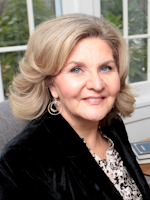
About Elizabeth Hartshorn, LPC
Disclosure Statement:
CE Hours
Credit Hours:
Counselors:
Marriage and Family Therapists:
Social Workers:

Psychologists:
Art Therapists:
Other Professionals:
Accommodations and Policies
This course was recorded 11/7/2025
Related products


Testimonials
Iveyana Kiara Smith
Jessy Hainbach
Bryant Wilson
Ben Keyser
Mei Chan
Meghan Co, LCSW-C, LICSW