Supervision in a Digital World Bundle

Payment Options: Credit Card, PayPal, Venmo, or Pay Later (4 payments)
Rewards: You earn 10% on all of your orders towards your next purchase.
The add to cart button will appear once you select the values above
Specifications
In an increasingly digitized behavioral health landscape, clinical supervisors and directors face unprecedented challenges in maintaining regulatory compliance, protecting client confidentiality, and managing complex virtual boundaries. When distance supervision, online dual relationships, and AI-powered documentation tools are adopted without rigorous oversight, professional integrity and client welfare are put at serious risk. The Supervision in a Digital World course bundle delivers a comprehensive, 9.5 CE self-paced curriculum designed to serve as your definitive steadying force amid rapid technological shifts. This tailored collection equips clinical leaders with evidence-informed strategies and highly practical systems to navigate telesupervision, master documentation records, and manage high-stakes ethical dilemmas. By implementing these foundational tools, you will effectively safeguard your professional license, minimize liability, and foster robust clinical growth across your organization. This bundle unites a powerhouse team of nationally recognized authorities and seasoned practitioners to deliver unmatched educational depth. Learn alongside Dr. Frederic G. Reamer, a premier behavioral health ethics pioneer; Ruby L. Blow, an award-winning leader in telesupervision; Dr. Sofia Georgiadou, an expert clinical researcher in AI documentation tools; and Kristin Ryan, a veteran supervisor with over 25 years of field experience. Together, their diverse insights bridge the gap between complex regulatory mandates and the day-to-day realities of digital leadership. Built specifically for busy clinical supervisors, these non-interactive self-study courses balance empirical theory with immediate, real-world utility. Through specialized video instruction, detailed case illustrations, and comparative software analyses, the curriculum demystifies complex technical guidelines. This structured approach streamlines administrative workflows and cuts down on documentation stress, allowing you to save time while deeply centering the relational alliance of supervision. Participants will explore a wide range of critical supervisory themes, including the essential structure of a compliant supervisee file, best practices for purposeful supervision notes, and the core operational differences between telesupervision and teleconsultation. The training also tackles the unique nuances of individual versus group remote formats, digital boundary hazards like social media interactions and therapist self-disclosure, and the emerging ethical landscape of AI note-taking platforms—including vendor compliance audits, data retention, informed consent protocols, and algorithmic bias. By fortifying your administrative systems, digital boundaries, and ethical frameworks, you build a secure foundation that empowers your supervisees to safely guide clients as they transform stories of pain into resilience. Invest in your professional development and lead your organization with unmatched excellence, integrity, and insight. Enroll now in the Supervision in a Digital World and become the clinical leader your team and community rely on. Instruction consists of a total of over 9.5 hours of video instruction, and a post-test for each course. Each course is a non-interactive, recorded self-study. What happens when your client Googles you, sends a Facebook friend request, or finds your personal blog? What if you’re tempted to search for their online presence—or respond to a missed appointment through social media? In this digital age, boundary issues can arise with just one click, and even well-meaning decisions can spiral into serious ethical violations. As behavioral health care increasingly moves into virtual spaces, clinicians face unprecedented challenges navigating dual relationships, confidentiality, and online interactions. This course offers insight, clarity, and actionable strategies to ensure your practice remains ethical, professional, and legally sound. When supervision documentation falls short, so does client care, professional integrity, and legal protection. This course helps supervisors avoid common pitfalls by mastering clear, concise, and compliant supervision records. Documentation doesn't have to be stressful, confusing, or inconsistent. This self-paced training offers practical tools to help you feel confident and organized in your supervision documentation—while also enhancing your support of supervisees. In this course, Kristin offers practical strategies and insight for behavioral health professionals tasked with supervision responsibilities. Her approach emphasizes clarity, consistency, and compliance, while still centering the relational aspects of supervision. Topics include how and why to document supervision sessions, the structure of an effective supervisee file, common risks of inadequate documentation, confidentiality issues, and specific best practices for writing clear and purposeful supervision notes. You’ll also explore strategies for tracking supervisee progress and decisions over time. "Can I really provide effective supervision online?" That’s the question many supervisors ask when shifting from in-person to virtual settings. The absence of physical presence can raise doubts about connection, oversight, and clinical accountability. But telesupervision also opens the door to flexible scheduling, reduced isolation, and expanded access to consultation—when done with intention and skill. Explore how to overcome the common challenges of distance supervision and unlock its full potential with clear strategies, strong structure, and relational depth. This course invites you to step into telesupervision with confidence, grounded in proven methods that foster connection, growth, and clinical integrity—even from a distance. This self-paced course examines critical supervisory concerns such as building working alliances, monitoring clinical competence, and adapting supervision models to the telehealth context. Topics include the differences between telesupervision and teleconsultation, considerations for group vs. individual formats, ways to address isolation and liability, and tools for setting up sustainable supervisory systems online. Artificial intelligence is no longer a distant idea—it’s in the therapy room, shaping the notes we write and the trust we build. With AI documentation tools now listening, transcribing, and summarizing clinical sessions, every clinician faces a defining question: How do we balance efficiency with ethics? This course cuts through the hype and uncertainty with clear, evidence-informed guidance for behavioral health professionals evaluating or already using AI-powered documentation tools. It helps clinicians navigate this new landscape where “time-saving” can quickly become “ethically risky.” Participants will learn to interpret vendor language, identify red flags in “terms and conditions,” and understand how data retention and opt-out features impact client confidentiality. You’ll also explore the limits of de-identification, consent fatigue, algorithmic bias, and how these systems can unintentionally affect therapeutic rapport—especially for marginalized clients. Enrollment in the Supervision in a Digital World Bundle includes: These courses are intended for clinicial supervisors who want comprehensive training for ethical practice. These are non-interactive, self-study courses. Teaching methods include recorded lectures, videos, a post-test, and a course evaluation. Course access and completion instructions. Frederic Reamer is professor emeritus in the graduate program, School of Social Work, Rhode Island College, where he has been on the faculty since 1983. His teaching and research focus on professional ethics, criminal justice, mental health, health care, and public policy. Dr. Reamer received his Ph.D. from the University of Chicago and has served as a social worker in correctional and mental health settings. He chaired the national task force that wrote the Code of Ethics adopted by the National Association of Social Workers in 1996 and served on the code revision task force. Dr. Reamer also chaired the national task force sponsored by the National Association of Social Workers, Association of Social Work Boards, Council on Social Work Education, and Clinical Social Work Association that developed technology standards for the profession. Dr. Reamer has lectured nationally and internationally on social work and professional ethics, including in India, China, Singapore, South Korea, Japan, Taiwan, and in various European nations. His books include Risk Management in the Behavioral Health Professions; Social Work Values and Ethics; Risk Management in Social Work; The Social Work Ethics Casebook; Ethical Standards in Social Work; Boundary Issues and Dual Relationships in the Human Services; Ethics and Risk Management in Online and Distance Behavioral Health; Moral Distress and Injury in Human Services; and The Social Work Ethics Audit, among others. Dr. Reamer has served as an expert witness in many court and licensing board cases throughout the United States. Dr. Frederic Reamer's instructor information. Kristin Ryan is a counselor, educator, and consultant with nearly 30 years of experience in counseling and ministry. She formerly owned and operated Grow Deep Counseling in Georgia (closed December 2021), where she served as a counselor, clinical supervisor, educator, and workshop trainer in partnership with churches, agencies, and organizations. Now based in Indiana, Kristin focuses exclusively on Christian counseling, discipleship-oriented care, consultation, and faith-based education and training. She is a former Georgia Licensed Professional Counselor (LPC), Professional Counselor Supervisor (both CPCS, ACS), and Approved Continuing Education Provider (ACEP), with credentials intentionally inactivated following her move to Indiana and transition in scope of practice. Ruby Blow is a licensed professional counselor in the state of Georgia. Her current practice focus is professional development and she provides tele-supervision and tele-consultation. Her services include both group and individual modalities. Ruby is a leader in the field of clinical supervision practice and has been in practice for 22 years. In 2012, Ruby won the Counselor Educator of the Year Award in the state of Georgia from the Professional Counselors Association. She has worked with mental health professionals in the area of clinical development from the beginning of her career. She taught for 10 years as an adjunct faculty member at Argosy University Atlanta. During her time as a clinical instructor, she led students in their practicum internships as their instructor of record. She gained experience in distance supervision leading all online sections of practicum/internship seminar. Ruby is an approved clinical supervisor and a board certified telemental health provider. Dr. Sofia Georgiadou is an Assistant Professor and Internship Coordinator at the University of Houston at Clear Lake’s MA in Family Therapy Program. Additionally, she teaches as an Adjunct for the Family Institute at Northwestern University and Capella University's fully online Master's in Family Therapy program. She is also the administrator of COAST’s Educators Division, the Society for the Teaching of Marriage and Family Therapy (www.stmft.coastmft.org). Originally from Greece, Sofia develops culturally responsive MFT and Counseling courses, using an intersectional approach in her teaching and supervision. Her research experience centers on qualitative/mixed methods and survey design. Sofia seeks to understand the lived experiences of diverse groups to better support international students, immigrants, and individuals from equity-deserving communities. The instructor(s) for this course receive compensation for their services. There are no reported conflicts of interest to disclose. This program consists of a total of 9.5 (5 of which are ethics) continuing education hours of credit. (Individual courses offer separate certificates with CEs) Telehealth Certification Institute, LLC has been approved by NBCC as an Approved Continuing Education Provider, ACEP No, 6693. Programs that do not qualify for NBCC credit are clearly identified. Telehealth Certification Institute, LLC is solely responsible for all aspects of the programs. Telehealth Certification Institute, LLC is recognized by the New York State Education Department's State Board for Mental Health Practitioners as an approved provider of continuing education for Licensed Mental Health Counselors. #MHC-0048. Many MFT licensing boards accept our courses or one of the approvals which we have from professional associations. You can check with your board to determine if your licensing board would accept this course. Telehealth Certification Institute, LLC is recognized by the New York State Education Department's State Board for Mental Health Practitioners as an approved provider of continuing education for licensed marriage and family therapists #MFT-0135, effective May 8, 2025. Telehealth Certification Institute LLC, #1609, is approved as an ACE provider to offer social work continuing education by the Association of Social Work Boards (ASWB) Approved Continuing Education (ACE) program. Regulatory boards are the final authority on courses accepted for continuing education credit. ACE provider approval period: 05/02/2024 – 05/02/2027. Social workers completing these courses receive a total of 4.5 clinical and 5 ethics continuing education credits. Telehealth Certification Institute, LLC is recognized by the New York State Education Department's State Board for Social Work as an approved provider of continuing education for Licensed Social Workers #SW-0435. This course has been approved by Telehealth Certification Institute LLC, as a NAADAC Approved Education Provider, for educational credits. NAADAC Provider #193104, Telehealth Certification Institute LLC is responsible for all aspects of the programming. Telehealth Certification Institute LLC is approved by the American Psychological Association to sponsor continuing education for psychologists. Telehealth Certification Institute LLC maintains responsibility for this program and its content. Telehealth Certification Institute, LLC is recognized by the New York State Education Department’s State Board for Psychology as an approved provider of continuing education for Licensed Psychologists #PSY-0128. Telehealth Certification Institute, LLC is recognized by the New York State Education Department's State Board for Mental Health Practitioners as an approved provider of continuing education for Licensed Creative Arts Therapists #CAT-0093. This course qualifies for 570 minutes of instructional content as required by many national, state and local licensing boards and professional organizations. Retain your certificate of completion and contact your board or organization for specific filing requirements. Close Captioning is available for live webinars and recorded video presentations. You can click on the following links to view our policies:Description

Key Takeaways:
Why this course bundle?
Format and Access
Individual Course Information
Upon registration, the following courses will be added to your account:
1. Boundary Issues and Dual Relationships in Telehealth: Ethics and Risk Management Implications
Learning Objectives:
2. Documentation for Supervisors
Learning Objectives:
3. TeleSupervision and TeleConsultation
Learning Objectives:
4. Behavioral Health Ethics and AI Clinical Documentation Tools
Client privacy, informed consent, and therapeutic integrity are at stake—and so is your professional liability.Learning Objectives:
Course Details
What is included:
Who Should Attend:
Teaching Methods:
How to Attend:
Instructors and Disclosures
Instructors
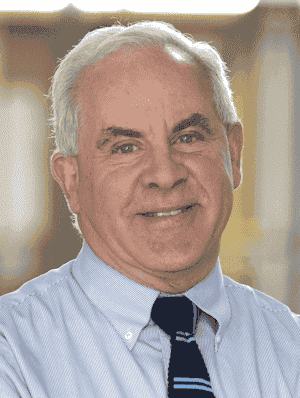
About Frederic G. Reamer, Ph.D.
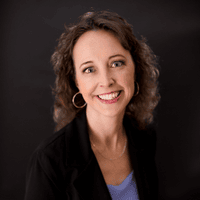
About Kristin Ryan, M.S.

About Ruby L. Blow, MA, LPC, NCC, BCC, CPCS, ACS, DCC, BC-TMH

About Sofia Georgiadou, PhD, LMFT-S, LPC-S (Texas)
Disclosure Statement:
CE Hours
Credit Hours:
Counselors:
Marriage and Family Therapists:
Social Workers:

Addiction Professionals:
Psychologists:
Art Therapists:
Other Professionals:
Accommodations and Policies
Courses included in this bundle were recorded between 5/18/20 and 9/5/25.
Related products


Testimonials
Iveyana Kiara Smith
Jessy Hainbach
Bryant Wilson
Ben Keyser
Mei Chan
Meghan Co, LCSW-C, LICSW