Telehealth SafeStart Bundle

Payment Options: Credit Card, PayPal, Venmo, or Pay Later (4 payments)
Rewards: You earn 10% on all of your orders towards your next purchase.
The add to cart button will appear once you select the values above
Specifications
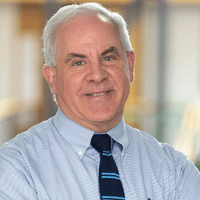
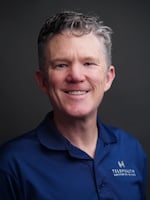
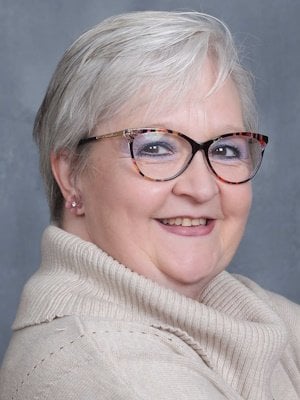
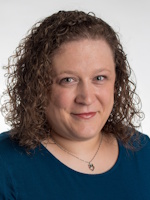
As behavioral health care shifts into virtual spaces and therapist-client interactions are reshaped by emerging technologies, clinicians face the monumental challenge of maintaining therapeutic integrity while managing high-stakes legal and ethical risks. The distance of a digital screen should never be a barrier to clinical excellence, yet without a specialized framework, even seasoned practitioners can find themselves vulnerable to boundary erosion, data breaches, or inadequate crisis management. The Telehealth SafeStart Bundle serves as your comprehensive steadying force, bridging the gap between traditional clinical training and the complexities of the digital age. This curated collection provides a rigorous foundation in telemental health, empowering you to navigate everything from foundational jurisdictional laws to the sensitive nuances of treating high-acuity patients remotely. By integrating these advanced resources into your practice, you ensure that your transition to or expansion of virtual care is grounded in fidelity, safety, and the highest standards of professional integrity. Our faculty comprises nationally recognized authorities in behavioral health ethics, technology, and clinical psychology. Lead instructors include Dr. Frederic G. Reamer, a primary architect of national social work ethics codes; Dr. Amy Marschall, a certified telemental health expert in trauma-informed care; and Dr. Sofia Georgiadou, a leading researcher in AI clinical documentation. This team is joined by TCI founder Raymond Barrett and legal-ethical specialists Dr. Ann M. Ordway and Kelly Lannon to offer a multi-disciplinary perspective on modern practice. These self-paced courses utilize a blended learning approach that moves beyond theoretical abstraction into immediate clinical application. You will engage with over 24 hours of high-quality video instruction featuring real-world case studies, critical comparative analyses of AI platforms, and "Transcript Gold" strategies for crisis intervention. This structured path ensures you can translate complex regulatory language into practical, protective protocols that safeguard both your clients and your license. The scope of this bundle is exhaustive, covering the logistical, technical, and clinical realities of contemporary practice. You will master the foundational requirements of practicing across state lines and HIPAA compliance, while gaining specialized skills to manage suicidality, psychosis, and domestic violence through a screen. Furthermore, you will tackle the cutting-edge challenges of the digital era, including the ethical use of AI documentation tools and the management of "digital footprints" and social media boundaries. The digital era demands a new kind of clinician—one who is as tech-savvy as they are empathetic and as legally prepared as they are clinically skilled. By joining this program, you are choosing to honor your clients' stories of pain with a commitment to resilience, providing a vital safety net that remains unbreakable across any distance. Enroll now in the Telehealth SafeStart Bundle and become the steadying, ethical leader your modern practice requires. Instruction consists of a total of over 24.5 hours of video instruction, and a post-test for each course. Each course is a non-interactive, recorded self-study. As telehealth continues to expand access to mental health care, clinicians must navigate a growing landscape of clinical skills, technology requirements, and legal regulations. The TeleMental Health Training Certificate (THTC) Program provides a factual, comprehensive foundation for delivering safe and compliant remote care across nine detailed modules. The program is led by industry experts, including Raymond Barrett, LMHC, founder and CEO of the Telehealth Certification Institute and a contributor to national telemental health standards. The instructional team also features Ann M. Ordway, JD, PhD, a former family law attorney and counselor educator specializing in ethics and cross-jurisdictional law, and Kelly Lannon, LPC, LCMHC, a specialist in crisis intervention and safety planning. This program covers: the foundational definitions and research of telemental health, the legal implications of practicing across state lines, and the ethical decision-making processes required for remote care. You will explore the clinical, legal, and ethical aspects of selecting technology, along with step-by-step guidance for emergency management planning and for screening clients for telehealth fit. Finally, the program details the specific clinical skills needed to conduct effective video and phone sessions, as well as strategies for maintaining cultural competence in a virtual environment. What happens when your client Googles you, sends a Facebook friend request, or finds your personal blog? What if you’re tempted to search for their online presence—or respond to a missed appointment through social media? In this digital age, boundary issues can arise with just one click, and even well-meaning decisions can spiral into serious ethical violations. As behavioral health care increasingly moves into virtual spaces, clinicians face unprecedented challenges navigating dual relationships, confidentiality, and online interactions. This course offers insight, clarity, and actionable strategies to ensure your practice remains ethical, professional, and legally sound. Dr. Frederic G. Reamer, Ph.D., one of the most respected authorities in behavioral health ethics, leads this training. With decades of experience shaping national ethics codes and technology standards, Dr. Reamer brings a rare depth of knowledge and real-world expertise to help clinicians manage risk and uphold the highest standards of care. Through carefully chosen case studies and grounded ethical frameworks, Dr. Reamer takes a practical, no-nonsense approach to help you strengthen your boundaries and protect both yourself and your clients in telehealth environments. This course explores common and complex ethical scenarios, such as responding to online friend requests, managing therapist self-disclosure, dealing with online information-seeking by clients, and maintaining professional boundaries in digital communications. It also addresses regulatory guidelines, ethics-related litigation risks, and how to design protective protocols. When clients present with high-risk symptoms—like suicidality, psychosis, self-harm, or abuse—delivering effective care via telehealth becomes even more complex and critical. Without the right tools, clinicians may question how to ensure client safety and maintain clinical standards in a virtual environment. This training offers mental health professionals a practical, evidence-informed framework for safely and ethically supporting high-risk clients through telehealth. Equip yourself with adaptable strategies and up-to-date tools that help you confidently deliver care when clients need you most, no matter where they are. Dr. Amy Marschall, Psy.D., a clinical psychologist with extensive experience in trauma-informed and neurodiversity-affirming care, leads this course. As the author of the Telemental Health with Kids Toolbox and a certified telehealth expert, Dr. Marschall provides grounded insights shaped by years of virtual practice with high-acuity clients. Her teaching approach blends clinical theory with practical application. Through case examples, toolkits, and implementation strategies, she helps clinicians convert in-person methods into telehealth-appropriate interventions without compromising care quality or ethical standards. This course explores assessment tools and evidence-based approaches for supporting clients at high risk for suicidality, self-harm, disordered eating, psychosis, dissociation, and domestic violence. You'll also learn how to build remote safety plans, ensure platform readiness, and navigate the unique ethical and legal considerations of working with high-risk clients through telehealth. Artificial intelligence is no longer a distant idea—it’s in the therapy room, shaping the notes we write and the trust we build. With AI documentation tools now listening, transcribing, and summarizing clinical sessions, every clinician faces a defining question: How do we balance efficiency with ethics? This course cuts through the hype and uncertainty with clear, evidence-informed guidance for behavioral health professionals evaluating or already using AI-powered documentation tools. It helps clinicians navigate this new landscape where “time-saving” can quickly become “ethically risky.” Dr. Sofia Georgiadou, LPC-S, LMFT-S, NCC, brings her expertise as a clinical supervisor, professor, and researcher to this essential topic. Drawing on her study of six major AI note-taking platforms, she exposes what really happens under the hood—how data are stored, retained, and sometimes reused—and what clinicians must know before relying on these tools. As an educator deeply committed to ethical and culturally responsive care, Dr. Georgiadou translates complex legal and technical standards into practical actions that uphold both client welfare and clinician protection. With her comparative, critical analysis style, Dr. Georgiadou guides participants through real-world examples, showing how informed consent, autonomy, and transparency can easily be compromised without careful review. Using excerpts from the study’s mock sessions (in both English and Spanish), she demonstrates the gaps, inaccuracies, and subtle biases found in popular AI platforms—revealing why “HIPAA compliant” claims often aren’t enough. Her teaching combines warmth, humor, and sharp ethical reasoning, making even the densest regulatory material engaging and immediately useful in practice. Participants will learn to interpret vendor language, identify red flags in “terms and conditions,” and understand how data retention and opt-out features impact client confidentiality. You’ll also explore the limits of de-identification, consent fatigue, algorithmic bias, and how these systems can unintentionally affect therapeutic rapport—especially for marginalized clients. Enrollment in the Telehealth SafeStart Bundle includes: These courses are intended for clinicians who are launching or formalizing their telemental health practice. These are non-interactive, self-study courses. Teaching methods include recorded lectures, videos, a post-test, and a course evaluation. Course access and completion instructions. Frederic Reamer is professor in the graduate program, School of Social Work, Rhode Island College, where he has been on the faculty since 1983. His teaching and research focus on professional ethics, criminal justice, mental health, health care, and public policy. Dr. Reamer received his Ph.D. from the University of Chicago and has served as a social worker in correctional and mental health settings. He chaired the national task force that wrote the Code of Ethics adopted by the National Association of Social Workers in 1996 and served on the code revision task force. Dr. Reamer also chaired the national task force sponsored by the National Association of Social Workers, Association of Social Work Boards, Council on Social Work Education, and Clinical Social Work Association that developed technology standards for the profession. Dr. Reamer has lectured nationally and internationally on social work and professional ethics, including in India, China, Singapore, South Korea, Japan, Taiwan, and in various European nations. His books include Social Work Values and Ethics; Risk Management in Social Work; The Social Work Ethics Casebook; Ethical Standards in Social Work; Boundary Issues and Dual Relationships in the Human Services; Ethics and Risk Management in Online and Distance Behavioral Health; Moral Distress and Injury in Human Services; and The Social Work Ethics Audit, among others. Dr. Reamer has served as an expert witness in many court and licensing board cases throughout the United States. Dr. Reamer instructor information Dr. Sofia Georgiadou is an Assistant Professor and Internship Coordinator at the University of Houston at Clear Lake’s MA in Family Therapy Program. Additionally, she teaches as an Adjunct for the Family Institute at Northwestern University and Capella University's fully online Master's in Family Therapy program. She is also the administrator of COAST’s Educators Division, the Society for the Teaching of Marriage and Family Therapy (www.stmft.coastmft.org). Originally from Greece, Sofia develops culturally responsive MFT and Counseling courses, using an intersectional approach in her teaching and supervision. Her research experience centers on qualitative/mixed methods and survey design. Sofia seeks to understand the lived experiences of diverse groups to better support international students, immigrants, and individuals from equity-deserving communities. Dr. Marschall earned her doctoral degree in clinical psychology from the University of Hartford in West Hartford, Connecticut. She completed her pre-doctoral internship through the National Psychology Training Consortium and her post-doctoral residency at Family Psychological Center, PA. Dr. Marschall has been in practice since 2016 and currently owns a private practice, RMH-Therapy, where she provides therapy primarily to children and adolescents and psychological evaluations. Her clinical specializations include trauma-informed and neurodiversity-affirming care, trauma therapy, autism, and ADHD. She also provides ADHD assessments through ADHD Online and therapy services through Spring Health. She teaches continuing education through PESI, Spring Health, and the Telehealth Certification Institute. Dr. Marschall is certified in telemental health and is the author of Telemental Health with Kids Toolbox and Telemental Health with Kids Toolbox: Volume 2. She is also the author of the following: She created a website, Resiliency Mental Health, to provide resources for therapists and anyone who wants to learn more about mental health. She created a website, Resiliency Mental Health, to provide resources for therapists and anyone who wants to learn more about mental health. Raymond Barrett is the founder and CEO of the Telehealth Certification Institute, LLC (TCI). A licensed mental health counselor (LMHC), Ray is an innovator and leader in the field of telemental health. He’s an expert telehealth trainer, a respected speaker, and a trusted consultant. Ray’s inspiration for TCI came from his clients that started asking him to conduct their therapy sessions over the phone. Ray had discovered a knowledge gap in mental health training. He wanted to fill that void with comprehensive and practical training in telemental health - so Ray created that training for himself and fellow clinicians. Since 2014, TCI has delivered comprehensive telehealth training and consultation to a global network of more than 40,000 healthcare organizations and professionals. TCI now offers over 180 specialized courses, a vast array of telehealth resources, and ongoing free continuing education opportunities for telehealth providers. Among the most sought-after courses offered by TCI is the Telemental Health Training Certificate (THTC Certificate) program. Ray played a significant role in developing the initial curriculum for the Board Certified Telemental Health credential (BC-TMH) for the Center for Credentialing and Education (CCE). He reviewed every training module. He helped draft content, including questions for exams. He even wrote and developed the initial draft of one of the training modules: Telemental Health Settings and Coordination of Care. The American Telemedicine Association (ATA) - the most respected organization for telehealth - recently overhauled its guidelines. Ray was on the writing committee that developed Best Practices in Synchronous Videoconferencing-Based Telemental Health in March 2022. In 2019, Ray participated in a task force for developing a clinical rating process for mobile apps designed to help treat depression. The recommendations were presented to ATA. The Commission on Accreditation of Rehabilitation Facilities (CARF) is an independent, nonprofit organization that provides accreditation services worldwide at the request of health and human service providers. As part of the International Standards Advisory Committee (ISAC), Ray helped establish CARF’s standards for virtual services. Ray also is a frequent speaker and consultant for professional organizations. He has presented for over 20 organizations since 2015. Ann Ordway has a law degree and a PhD in Counselor Education and Supervision. She is a retired family law attorney following approximately 20+ years of private practice in New Jersey, where she primarily worked with high conflict divorce dynamics, parenting coordination, and child advocacy. She received her MA and EdS in Counseling from Seton Hall University and completed her Practicum and Internship at the Counseling Services program on campus. Ann has been trained as a family mediator, a Guardian Ad Litem, and as a Parenting Coordinator. Clinical experience has included work with high-conflict families, victims of domestic violence, anger management with accused offenders of domestic violence, and school counseling. Ann has taught graduate-level clinical mental health and school counseling for nearly 14 years, both in-person and via distance learning. She was the College Academic Director of Counseling at a University in Phoenix, Arizona, and she is a former president of the Arizona Counseling Association. She is currently the program director at the Association of Family and Conciliation Courts, where she facilitates the delivery of trainings for an international, interdisciplinary audience of family law professionals. Dr. Ordway’s doctoral dissertation on the experiences of parenting coordinators working with high-conflict couples engaged in intimate partner violence dynamics is the foundation of her current research. She is a national and international presenter, and has published in peer-reviewed journals on topics related to high-conflict families, the impact of divorce on children, ethics, and the preparedness of counselors for court-involved roles and general court involvement. Kelly Lannon is a Licensed Professional Counselor in GA and a Licensed Clinical Mental Health Counselor in NC. They obtained their MA in Community Mental Health Counseling from the University of Rochester. Kelly has spent more than 10 years working in crisis intervention and suicide prevention with the veteran and military populations. Over the past four years, they have been conducting silent monitoring of these services to ensure proper protocols and standards are being adhered to relating to mental and medical health, substance use, suicidal ideation, and risk of violence to others; ultimately ensuring risk mitigation and safety planning efforts are completed appropriately. Additionally, Kelly’s work in private practice focuses on trauma and grief within the veteran and 2SLGBTQQIPAA communities. Their therapeutic approach stems from Existential and Humanistic therapies, while integrating approaches from Decolonization, Multicultural, and Interpersonal Counseling. The instructor(s) for this course receive compensation for their services. There are no reported conflicts of interest to disclose. This program consists of a total of 24.5 (9 of which are Ethics) continuing education hours of credit. (Individual courses offer separate certificates with CEs) Telehealth Certification Institute, LLC has been approved by NBCC as an Approved Continuing Education Provider, ACEP No, 6693. Programs that do not qualify for NBCC credit are clearly identified. Telehealth Certification Institute, LLC is solely responsible for all aspects of the programs. Telehealth Certification Institute, LLC is recognized by the New York State Education Department's State Board for Mental Health Practitioners as an approved provider of continuing education for Licensed Mental Health Counselors. #MHC-0048. Many MFT licensing boards accept our courses or one of the approvals which we have from professional associations. You can check with your board to determine if your licensing board would accept this course. Telehealth Certification Institute, LLC is recognized by the New York State Education Department's State Board for Mental Health Practitioners as an approved provider of continuing education for licensed marriage and family therapists #MFT-0135, effective May 8, 2025. Telehealth Certification Institute LLC, #1609, is approved as an ACE provider to offer social work continuing education by the Association of Social Work Boards (ASWB) Approved Continuing Education (ACE) program. Regulatory boards are the final authority on courses accepted for continuing education credit. ACE provider approval period: 05/02/2024 – 05/02/2027. Social workers completing these courses receive a total of 15.5 clinical and 9 ethics continuing education credits. Telehealth Certification Institute, LLC is recognized by the New York State Education Department's State Board for Social Work as an approved provider of continuing education for Licensed Social Workers #SW-0435. This course has been approved by Telehealth Certification Institute LLC, as a NAADAC Approved Education Provider, for educational credits. NAADAC Provider #193104, Telehealth Certification Institute LLC is responsible for all aspects of the programming. Telehealth Certification Institute LLC is approved by the American Psychological Association to sponsor continuing education for psychologists. Telehealth Certification Institute LLC maintains responsibility for this program and its content. Telehealth Certification Institute, LLC is recognized by the New York State Education Department’s State Board for Psychology as an approved provider of continuing education for Licensed Psychologists #PSY-0128. Telehealth Certification Institute, LLC is recognized by the New York State Education Department's State Board for Mental Health Practitioners as an approved provider of continuing education for Licensed Creative Arts Therapists #CAT-0093. This course qualifies for 1470 minutes of instructional content as required by many national, state and local licensing boards and professional organizations. Retain your certificate of completion and contact your board or organization for specific filing requirements. Close Captioning is available for live webinars and recorded video presentations. You can click on the following links to view our policies:Description

Key Takeaways:
Why this course bundle?
Format and Access
Individual Course Information
Upon registration, the following courses will be added to your account:
1. TeleMental Health Training Program (THTC), Online Self-Study + the Telemental Health Training Certificate (THTC)
Learning Objectives:
2. Boundary Issues and Dual Relationships in Telehealth: Ethics and Risk Management Implications
Learning Objectives:
3. Telehealth for Clients with High-Risk Symptoms
Learning Objectives:
4. Behavioral Health Ethics and AI Clinical Documentation Tools
Client privacy, informed consent, and therapeutic integrity are at stake—and so is your professional liability.Learning Objectives:
Course Details
What is included:
Who Should Attend:
Teaching Methods:
How to Attend:
Instructors and Disclosures
Instructors
About Dr. Frederic G. Reamer, Ph.D.

About Sofia Georgiadou, PhD, LMFT-S, LPC-S (Texas)

About Amy Marschall, Psy.D.
About Raymond Barrett, LMHC
About Ann Ordway, JD, PhD
About Kelly Lannon, LPC, LCMHC, BC-TMH, CMCC, CGP
Disclosure Statement:
CE Hours
Credit Hours:
Counselors:
Marriage and Family Therapists:
Social Workers:

Addiction Professionals:
Psychologists:
Art Therapists:
Other Professionals:
Accommodations and Policies
Courses included in this bundle were recorded between 3/23/22 and 3/30/26
Related products


Testimonials
Iveyana Kiara Smith
Jessy Hainbach
Bryant Wilson
Ben Keyser
Mei Chan
Meghan Co, LCSW-C, LICSW