
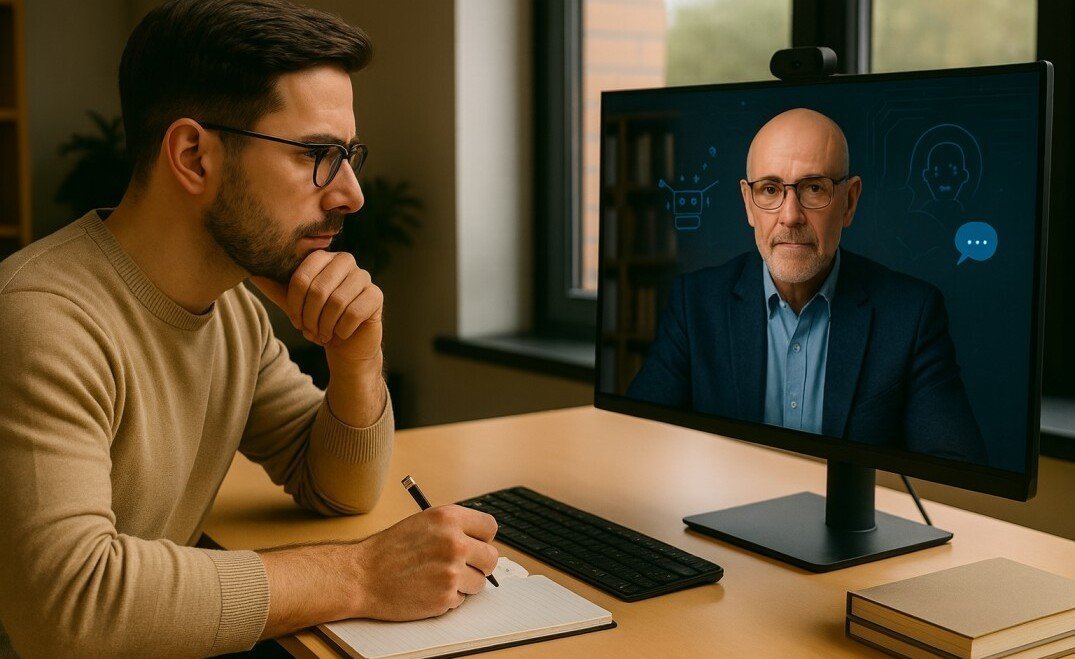
Clinical supervision is widely recognized as the signature pedagogy of behavioral health training, essential for developing clinical competence, ethical reasoning, and professional identity (Bernard & Goodyear, 2019). However, the effectiveness of supervision is often contingent on the supervisee's ability to engage actively and reflectively in the process. For many students, particularly those new to clinical practice, supervision can be a source of significant anxiety, hindering their ability to utilize this crucial learning opportunity fully.
Case studies have long been a cornerstone of behavioral health education, providing students with opportunities to apply theory to practice and develop critical thinking skills. However, the transition from analyzing a static case study to engaging in a dynamic clinical interaction is a significant leap. Students need opportunities to practice the skills of assessment, intervention, and therapeutic communication in environments that reflect the complexity and unpredictability of real-world practice.

In the field of behavioral health, the mastery of complex theoretical frameworks is essential. However, the true artistry of clinical practice lies in the effective application of foundational micro-skills. These seemingly simple behaviors—active listening, reflection of feeling, open-ended questioning, summarizing, and confrontation—are the building blocks of the therapeutic alliance and the primary vehicles for change. Research confirms that the therapeutic relationship is one of the most consistent predictors of positive client outcomes across different treatment modalities (Flückiger et al., 2018).

The challenge of preparing behavioral health students for the nuanced realities of clinical practice is timeless. While classroom instruction provides the essential theoretical foundation, it often fails to fully bridge the gap between knowing and doing. This "skills gap"—the disparity between academic knowledge and practical application—is a common concern among educators and clinical supervisors. As the complexity of mental health needs increases, the demand for innovative training methods that ensure clinical readiness has never been greater.

By Mark A. Stebnicki, Ph.D.(with assistance from AI)
Introduction: Why Military Cultural Competence Matters
With more service members, veterans, veterans with disabilities, and military families seeking mental health care, clinicians are increasingly encountering military-affiliated clients.Yet many therapists begin these therapeutic relationships without a full understanding of the military culture, deployment cycle issues, or the distinctive medical, physical, psychological, psychosocial, and vocational impact shaped by life in uniform.
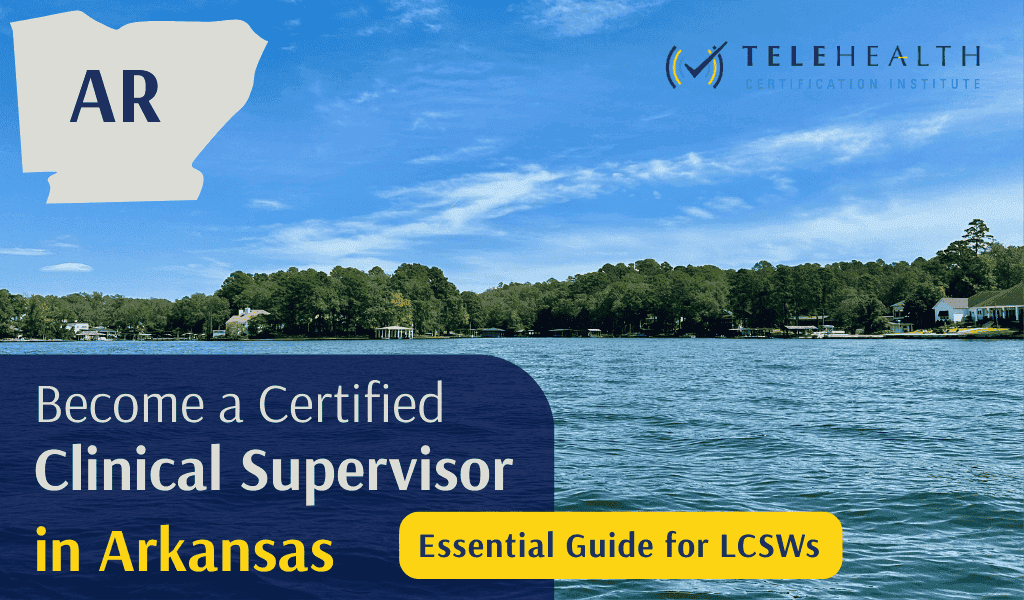
Are you an experienced LCSW in Arkansas ready to take the next step in your career? Becoming an approved clinical supervisor allows you to mentor rising social workers, contribute to the profession, and expand your professional influence. At the Telehealth Certification Institute (TCI), we help you prepare with continuing education (CE) courses, certificate programs, and free supervision forums designed to support your supervisory success.
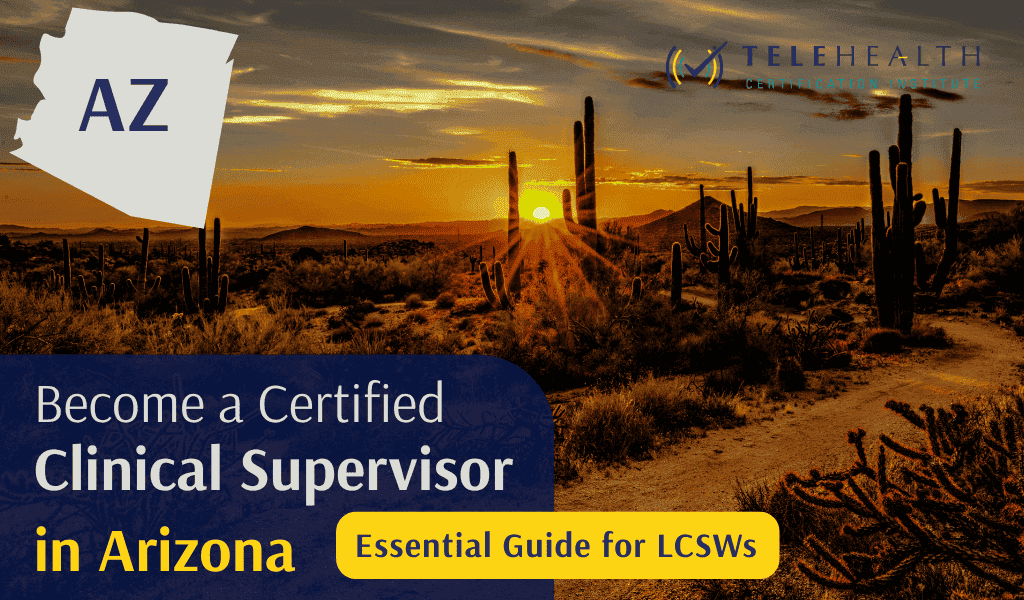
Serving as a clinical supervisor in Arizona is a valuable way to grow your career and support rising professionals. Whether you're an LCSW or counselor, supervision lets you share your expertise and shape the next generation. Telehealth Certification Institute (TCI) offers the training you need to meet Arizona’s supervision requirements with ease and confidence.
Licensed Clinical Social Workers (LCSWs) in Alaska who plan to serve as clinical supervisors must meet specific qualification and continuing education (CE) standards under Alaska state regulations. These standards differ before and after June 30, 2026. At the Telehealth Certification Institute (TCI), our CE-certified courses and certificate programs help Alaska LCSWs meet every requirement—from initial approval to ongoing renewal.
Licensed Clinical Social Workers (LCSWs) and Licensed Independent Clinical Social Workers (LICSWs) in Alabama have the opportunity to shape the future of the profession by becoming board-approved clinical supervisors. This role allows you to guide and support emerging clinicians while enhancing your professional leadership and broadening your career options.
If you're a licensed mental health professional in Indiana looking to expand your role and mentor the next generation of clinicians, becoming an approved clinical supervisor is a rewarding step forward. At Telehealth Certification Institute (TCI), we make it easy to gain the skills, training, and continuing education (CE) you need to confidently step into a supervisory role and support the development of future professionals.
If you're a Licensed Clinical Professional Counselor (LCPC) or Licensed Professional Counselor (LPC) in Maine aiming to become an approved clinical supervisor, understanding the state’s requirements is a critical first step. At Telehealth Certification Institute (TCI), we provide the training you need to meet Maine’s supervision requirements and advance your career.
Licensed Professional Counselors (LPCs) in Wyoming have the opportunity to expand their impact and career potential by becoming Designated Qualified Clinical Supervisors (DQCS). Whether you're supervising future professionals or enhancing your leadership skills, supervision credentials are a strategic next step—and Telehealth Certification Institute (TCI) is here to help you meet the state's exact requirements.
Testimonials
Iveyana Kiara Smith
Jessy Hainbach
Bryant Wilson
Ben Keyser
Mei Chan
Meghan Co, LCSW-C, LICSW