
North Carolina is greatly utilizing telemental health. The Statewide Telepsychiatry Program (NC-STeP) in NC anticipates connecting eighty or more hospital emergency departments with psychiatric assessments and consultations. Most major insurance companies in NC are reimbursing for telebehavioral health services. The Center for Rural Health Innovation’s Health-e-Schools program provides school-based telehealth services to thirty-three schools in four counties. North Carolina has a proposed telehealth parity law, HB 283. Both Licensed Professional Counselors and Social Workers in North Carolina can now receive supervision hours through the use of technology.
Are you a behavioral health educator?
Can you effectively connect with students online?
Will students truly be prepared to provide behavioral health services after attending an online program?
In this interview, learn from Corinna Costello, PhD, LCPC, ATR-BC, a seasoned faculty member, what it's like to educate behavioral health students online.
If you lead or teach within a graduate behavioral health program in counseling, family therapy, social work, or psychology, consider offering your graduate students TeleMental Health Training that will prepare them to reach their future clients through telehealth: Graduate Programs & TeleMental Health Training
Interview with Dr. Christina Strayer, Ed.D, LPC, CCTP, AAT, NBCT, a Doctoral level Licensed Professional Counselor, a Certified Counselor in Trauma Procedures (CCTP), and trained as an Animal Assisted Therapist (AAT). Dr. Strayer shares how she got started with telebehavioral health, how she uses her therapy pets during her psychotherapy sessions, and advice for other online therapists. You can contact Dr. Strayer at 919-901-5349
Check out how you can earn the Animal Assisted Therapy Interventionist Credential (AAT-I) using the program Dr. Strayer co-created and co-teaches.
Most clients are seeking help with relationships. Many clients are engaging in online dating. Clinicians can help their clients with attachment and romance by using a helpful book on online dating.
Dee Wagner, LPC, author of Naked Online: A DoZen Ways to Grow from Internet Dating, explains how psychotherapists can use this helpful book on online dating with clients. Her workbook is playful, engaging, and very effective. You can find the workbook and a free document for clinicians at this link.

Social media has a wealth of information. This great amount of data allows us to look at trends, discover correlations, and make predictions. We can now use it to alert people of mental health needs and send them helpful resources.
Three important questions:
Is there a problem with access to mental health services?
Why are people not receiving treatment?
Can telemental health help?
Have you ever had to find a counselor for yourself or a family member? It can be nerve wrecking. The emotional, time and financial commitment can be great. Sometimes, if the counselor and client are not a fit, the client may give up on ever trying counseling again.
Technology has found a good solution to this. Check it out on this video.

How do we, as therapists, help our clients with digital dating? A new study cited by the American Psychological Association links swiping with self-esteem issues. Dee Wagner, BC-DMT, LPC, recently wrote a blog post on her site, LustierLife.com, that addresses profile writing in the digital dating process. Dee shares:

COVID-19 opened many doors for Telemedicine. In the past, insurance payers often had difficulty processing claims with telehealth modifiers, even though modifiers for telemental health have been widely available for some time. Many insurance payers have the capability to process these claims if you follow their requirements. These changes are rapidly occurring, and as the Public Health Emergency (PHE) ends, we will begin to see more permanent policies.
In this video and blog post, I share my experience switching from using paper charts to using a practice management program.
If I never made the switch, I may have burned out from the administrative tasks of running my private practice.
Before using a practice management program:
Our interview with Christina Michelle Hamilton, M.A.Ed., LPC, NCC, ACS, DCC, an approved clinical supervisor, covers how telesupervision is practiced.
Telesupervision is known by different names: E-Supervision, Online Supervision, Virtual Supervision, Technology Assisted Clinical Supervision, Skype Clinical Supervision…. However, it is simply the practice of clinical supervision when the supervisor and the supervisee are at different locations and communicating electronically.
This interview covers the following questions:
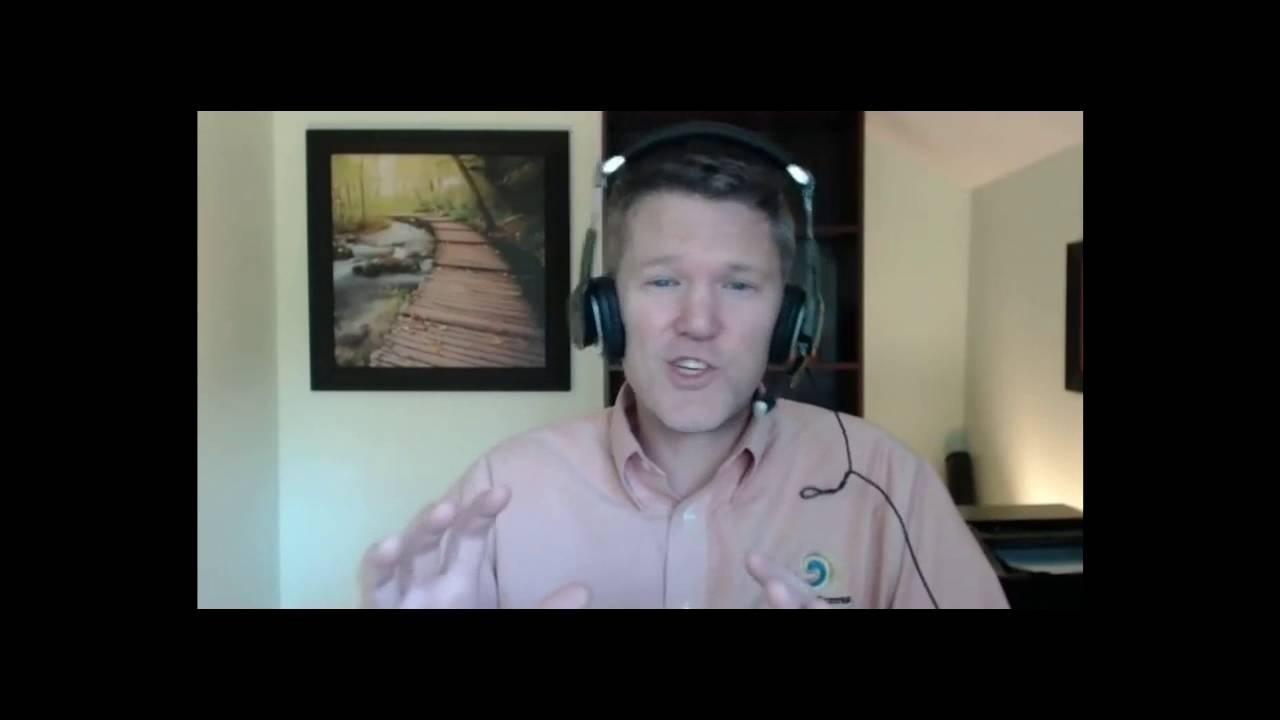
Two highly experienced clinicians share how they expanded their psychotherapy services by including online counseling. They share some great advice to those also wanting provide this option to their current and prospective clients.
Testimonials
Iveyana Kiara Smith
Jessy Hainbach
Bryant Wilson
Ben Keyser
Mei Chan
Meghan Co, LCSW-C, LICSW