Assessment and Management of Personality Disorders: Understanding the Hidden Agenda

Payment Options: Credit Card, PayPal, Venmo, or Pay Later (4 payments)
Rewards: You earn 10% on all of your orders towards your next purchase.
The add to cart button will appear once you select the values above
Specifications
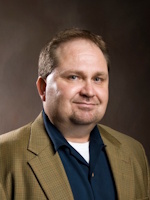
Assessment and Management of Personality Disorders: Understanding the Hidden Agenda is Module One of the 2-course Personality Disorders Counseling Certificate (PDCC). For more information on the PDCC and discounted enrollment in the full program, please visit this page. Personality disorder presentations are often described as “resistant,” yet the behaviors that frustrate treatment may be organized by enduring beliefs and interpersonal “agendas” that clients do not readily recognize. When self-report is limited, symptoms overlap with other conditions, and maladaptive patterns recur across settings and over time, clinicians need a way to look beyond the immediate behavior and understand how the client is interpreting self, others, and the world. Behavioral health professionals encounter these patterns in clients seeking help for depression, anxiety, trauma, substance use, relationship conflict, or recurrent crises—not only in clients already diagnosed with a personality disorder. Recognizing personality pathology more accurately can clarify treatment planning, support more realistic expectations, and help clinicians respond without personalizing defensiveness, dependency, avoidance, or inflexibility. Jeff Riggenbach, Ph.D., brings more than two decades of clinical experience treating complex thinking and personality styles. His development of an integrated personality-disorder program drew on an intensive training led by Marsha Linehan, postdoctoral work through the Beck Institute for Cognitive Therapy and Research with consultation from Judith Beck and Leslie Sokol, and schema therapy training with Dr. George Lockwood. The resulting program has served more than 500 patients with Borderline Personality Disorder and additional patients with other personality disorders, and he has taught the approach to clinicians across the United States and internationally. Grounded in this integrated DBT/CBT/Schema Therapy model, the training focuses primarily on assessment and surface-level management rather than comprehensive treatment protocols. It examines the limits of categorical diagnosis and encourages spectrum-based thinking, while showing how signs, client language, historical data, cross-context patterns, and in-session process can strengthen assessment when self-report is incomplete. Treatability is considered cautiously, with attention to severity, functioning, and the uneven evidence available across diagnoses. For each of the 10 DSM-5 personality disorders, formal criteria are connected to the client’s cognitive profile and “hidden agenda” so clinicians can better understand what may be driving target behaviors and choose a more fitting management response. The 18 early maladaptive schemas provide a shared lens for conceptualizing those patterns, while developmental, biological, cultural, and contextual influences remain part of the assessment. Extended attention to Borderline Personality Disorder models a collaborative diagnostic conversation and clarifies commonly confused mood, trauma, and risk presentations, including distinctions among non-suicidal self-injury, chronic suicidality, and acute suicide risk. Motivational, relational, and cognitive tools illustrate how early management can be adapted to readiness, safety, context, and pace of change. Register to strengthen your ability to recognize personality pathology, discuss diagnoses collaboratively, and choose management responses that fit the client’s cognitive profile and treatment context. For counselors, social workers, psychologists, marriage and family therapists, addiction professionals, and other behavioral health clinicians, this course offers a practical foundation for clearer assessment and steadier, goal-oriented work with presentations that are often misunderstood or difficult to manage. This is a non-interactive, self-study course that offers over 6 hours of recorded video instruction, a post-test and a course evaluation. From the time of registration, you have six months to access the coursework. This course is intended for clinicians who provide behavioral health services. This is a non-interactive, self-study course. Teaching methods for this course include recorded lectures, videos, a post-test, and a course evaluation. Course access and completion instructions. Jeff Riggenbach, PhD, is a best-selling and award-winning author/speaker/clinician who has trained audiences in all 50 United States, Canada, Mexico, The UK, Ireland, Malta, Australia, New Zealand, and South Africa. He has devoted the past 25 years to developing advanced expertise in cognition and personality. He personally trained at The Beck Institute of Cognitive Therapy and Research to develop his hospital's Borderline Personality Disorder Treatment Program, which has not treated over 500 patients with BPD across multiple levels of care. He has since developed and directed cognitive-behavioral based programs for Depression, Anxiety Disorders, and Addictive Behavior Disorders. Jeff's approach of taking evidence-based treatments and presenting them in ways that can be used by everyday clinicians "in the trenches" has earned him the nickname "The Practical Toolbox Guy," and his trainings often receive the highest marks from conference participants. The instructor(s) for this course receive compensation for their services. There are no reported conflicts of interest to disclose. This course consists of 6 continuing education hours of credit. Telehealth Certification Institute, LLC has been approved by NBCC as an Approved Continuing Education Provider, ACEP No, 6693. Programs that do not qualify for NBCC credit are clearly identified. Telehealth Certification Institute, LLC is solely responsible for all aspects of the programs. Telehealth Certification Institute, LLC is recognized by the New York State Education Department's State Board for Mental Health Practitioners as an approved provider of continuing education for Licensed Mental Health Counselors. #MHC-0048. Many MFT licensing boards accept our courses or one of the approvals which we have from professional associations. You can check with your board to determine if your licensing board would accept this course. Telehealth Certification Institute, LLC is recognized by the New York State Education Department's State Board for Mental Health Practitioners as an approved provider of continuing education for licensed marriage and family therapists #MFT-0135, effective May 8, 2025. Telehealth Certification Institute LLC, #1609, is approved as an ACE provider to offer social work continuing education by the Association of Social Work Boards (ASWB) Approved Continuing Education (ACE) program. Regulatory boards are the final authority on courses accepted for continuing education credit. ACE provider approval period: 05/02/2024 – 05/02/2027. Social workers completing this course receive 6 clinical continuing education credits. Telehealth Certification Institute, LLC is recognized by the New York State Education Department's State Board for Social Work as an approved provider of continuing education for Licensed Social Workers #SW-0435. This course has been approved by Telehealth Certification Institute LLC, as a NAADAC Approved Education Provider, for educational credits. NAADAC Provider #193104, Telehealth Certification Institute LLC is responsible for all aspects of the programming. Telehealth Certification Institute LLC is approved by the American Psychological Association to sponsor continuing education for psychologists. Telehealth Certification Institute LLC maintains responsibility for this program and its content. Telehealth Certification Institute, LLC is recognized by the New York State Education Department’s State Board for Psychology as an approved provider of continuing education for Licensed Psychologists #PSY-0128. Telehealth Certification Institute, LLC is recognized by the New York State Education Department's State Board for Mental Health Practitioners as an approved provider of continuing education for Licensed Creative Arts Therapists #CAT-0093. This course qualifies for 360 minutes of instructional content as required by many national, state and local licensing boards and professional organizations. Retain your certificate of completion and contact your board or organization for specific filing requirements. This is a non-interactive, self-study course. Close Captioning is available for live webinars and recorded video presentations. You can click on the following links to view our policies:Description
Key Takeaways:
Why This Course?
Learning Objectives
Format and Access
Course Details
Availability:
Who Should Attend:
Teaching Methods:
How to Attend:
Instructor and Disclosures
Instructor
About Jeff Riggenbach, Ph.D.
Disclosure Statement:
CE Hours
Credit Hours:
Counselors:
Marriage and Family Therapists:
Social Workers:

Addiction Professionals:
Psychologists:
Art Therapists:
Other Professionals:
Accommodations and Policies
This course was recorded 8/7/26
Related products


Testimonials
Iveyana Kiara Smith
Jessy Hainbach
Bryant Wilson
Ben Keyser
Mei Chan
Meghan Co, LCSW-C, LICSW