
Differential Diagnosis in the DSM Framework: Distinguishing Non-Pathological Mood and Anxiety Presentations, Adjustment Disorder, and Major Depressive Disorder
*
Payment Options:
Credit Card, PayPal, Venmo, or Pay Later (4 payments)
Rewards:
You earn 10% on all of your orders towards your next purchase.
The add to cart button will appear once you select the values above
Specifications
This course is a live, interactive webinar held on March 5, 2027, from 12pm-1pm Eastern Standard Time. This reduced price webinar does not offer CE Credits. The same live event is available for purchase and offers 1 CE hour for behavioral health clinicians. See "related products" below. Registration closes at midnight (EST) the day before the event
When a client presents with anxiety or low mood following a stressful life event, how do you determine whether their symptoms reflect an understandable response, adjustment disorder, or major depressive disorder? The distinctions can be subtle, yet they are essential for accurate diagnosis and effective treatment planning. Distinguishing between these presentations requires more than identifying symptoms at a single point in time. This 1 CE-hour live webinar offers mental health professionals a systematic approach to evaluating symptom patterns, examining their relationship to life stressors, and recognizing when a diagnostic formulation may need to change. Led by Jason Buckles, Ph.D., LPCC, this training draws on more than 25 years of clinical experience and over two decades of teaching DSM-based assessment and treatment planning at the graduate level. As a longtime behavioral health consultant and former statewide clinical director, Dr. Buckles brings extensive experience navigating complex diagnostic presentations and translating diagnostic principles into practical clinical decisions. Through straightforward, literature-informed instruction and practice-based examples, Dr. Buckles breaks down the diagnostic reasoning involved in distinguishing non-pathological mood and anxiety responses from diagnosable conditions. His approach emphasizes a structured, repeatable process that helps clinicians move beyond symptom checklists to consider the broader clinical picture and changes over time. The training begins by examining the boundary between understandable emotional distress and symptoms that may warrant a clinical diagnosis. Participants will explore how to differentiate non-pathological mood and anxiety presentations from adjustment disorder, including presentations with mixed anxiety and depressed mood, and major depressive disorder with anxious features. Particular attention is given to symptom duration, diagnostic thresholds, stressor onset, exclusion criteria, and the progression of symptoms beyond the original stressor. Dr. Buckles also addresses the influence of substances, medications, medical conditions, and cultural factors on diagnostic decisions. The course concludes by reinforcing the importance of longitudinal assessment, diagnostic reconsideration, and screening for suicidal ideation and other safety concerns regardless of the working diagnosis. Accurate differential diagnosis depends on recognizing not only which symptoms are present, but also how they develop, interact with life circumstances, and evolve over time. Whether you are revisiting foundational DSM principles or refining an established assessment process, this webinar offers practical guidance for making more defensible diagnostic decisions and establishing a sound foundation for treatment. This course is a live, interactive webinar. Schedule: (listed in Eastern Daylight Time) Course access and completion instructions. This course is intended for clinicians who provide behavioral health services. This is a live, interactive webinar. Enrollment includes access to live event(s) but does not include recordings of the presentations. Originally from Cleveland, Ohio, Jason earned his Bachelor’s in Psychology at New York University in 1996. While there, he worked on diagnostic projects at Bellevue Hospital and the New York State Psychiatric Institute. He earned his Master’s in Counseling at The University of New Mexico in 2001 and his Ph.D. in Special Education at The University of New Mexico in 2016. His dissertation focused on the experiences of direct support professionals who support people with sexually challenging behavior. Since 2002 Jason has been the owner of Talkabout Inc., a Behavior Consultation agency specializing in support for people with intellectual disability and concurrent mental health diagnoses. From 2012 through 2016, Jason was the Statewide Clinical Director of the New Mexico Department of Health – Bureau of Behavioral Support, overseeing statewide systems of behavioral support consultation. From 2016-2019 Jason was the Executive Director of A Better Way of Living, a CQL-accredited agency that provides life-wide supports for people with intellectual disability. He is currently a contracting consultant with the New Mexico Department of Health, where he supervises the sexual risk screening program, and the ongoing development of behavior support systems, and provides statewide trainings on co-occurring mental health conditions for people with intellectual disability, among other topics. For several years Jason has also served as the Program Manager for the Developmental Disability/Mental Illness project with the University of New Mexico. For most of the past 20 years, he was a part-time instructor at both The University of New Mexico, teaching Introduction to Intellectual Disability, and at New Mexico Highlands University, teaching DSM Assessment for Counselors. The instructor(s) for this course receive compensation for their services. There are no reported conflicts of interest to disclose. This reduced price webinar does not offer CE credits, just great content. The same live event is available for purchase and offers 1 CE hour for behavioral health clinicians. See "related products" below. Participants may request a printed version of their certificate of attendance to be delivered by mail. A shipping/handling fee of $6.95 will be charged per request. Shipping internationally may require an additional charge. By registering for this event you are agreeing to the following: Close Captioning is available for live webinars and recorded video presentations. You can click on the following links to view our policies:Description
Key Takeaways:
Why This Course?
Learning Objectives
Format and Access
Course Details
How to Attend:
Who Should Attend:
Teaching Methods:
Instructor and Disclosures
Instructor
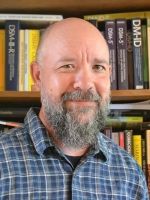
About Jason Buckles, Ph.D., LPCC
Disclosure Statement:
CE Hours
Agreement
Accommodations and Policies
Testimonials
Iveyana Kiara Smith
Jessy Hainbach
Bryant Wilson
Ben Keyser
Mei Chan
Meghan Co, LCSW-C, LICSW