Dr. Frederic G. Reamer Instruction Bundle

Payment Options: Credit Card, PayPal, Venmo, or Pay Later (4 payments)
Rewards: You earn 10% on all of your orders towards your next purchase.
The add to cart button will appear once you select the values above
Specifications
When ethical clarity is most needed, are you prepared to respond—or left questioning your next step? In an increasingly digital, high-stakes practice environment, the margin for error has narrowed. This bundle of expert-led courses will equip you to lead with confidence, not hesitation. Step into a curated training experience designed for behavioral health professionals who want to navigate today’s most pressing ethical challenges with authority. These courses offer more than just CE hours—they provide a structured path for sharpening judgment, protecting your clients, and securing your professional integrity. Dr. Frederic G. Reamer, Ph.D., a leading authority in behavioral health ethics and risk management, brings decades of experience to these essential topics. Having chaired the national task force that authored the NASW Code of Ethics and contributed to technology standards for the profession, Dr. Reamer is uniquely qualified to guide clinicians through complex ethical terrain. In this self-paced training bundle, Dr. Reamer delivers clear, practical frameworks through engaging case analysis, legal insights, and real-world scenarios. With his characteristic clarity and depth, he translates abstract ethical principles into actionable protocols. The five courses in this bundle cover: telehealth ethics and risk management, boundary and dual relationship challenges in virtual care, the ethical implications of artificial intelligence in clinical practice, documentation dilemmas, and the emerging crisis of moral injury in behavioral health work. These courses provide a comprehensive roadmap for ethical decision-making in modern clinical contexts. Build ethical agility in digital spaces: Strengthen your ability to navigate telehealth, documentation, and AI challenges with ethics-informed strategies. Protect your license and your clients: Develop protocols that mitigate risk, prevent complaints, and support defensible decision-making. Restore professional integrity and resilience: Address moral distress and injury with evidence-based tools for clinician well-being and sustainability. Expert instruction with unmatched credibility: Learn directly from the social worker who helped write and revise the NASW Code of Ethics. Comprehensive yet practical: Each course goes deep without overwhelming, offering concrete takeaways and tools you can use immediately. One powerful learning experience: Gain 18.5 CE hours from a single, thoughtfully curated bundle—saving you time while deepening your ethical fluency. The ethical complexities of modern behavioral healthcare require more than good intentions—they demand well-informed action. Enroll now in this essential course bundle to access Dr. Reamer's expert instruction and gain the tools, insight, and clarity you need to confidently meet the moment. Each course is a non-interactive, recorded self-study. Instruction consists of a total of over 18.5 hours (15.5 of which are ethics) of video instruction, and a post-test for each course. One ethical misstep in telehealth—however unintentional—can end a career, harm a client, or lead to devastating legal consequences. As telehealth reshapes behavioral healthcare, clinicians must navigate a minefield of confidentiality pitfalls, boundary risks, and shifting regulatory expectations. This course offers you more than compliance—it delivers peace of mind by equipping you with the critical skills and protections you need to practice safely and ethically in a digital world. What happens when your client Googles you, sends a Facebook friend request, or finds your personal blog? What if you’re tempted to search for their online presence—or respond to a missed appointment through social media? In this digital age, boundary issues can arise with just one click, and even well-meaning decisions can spiral into serious ethical violations. As behavioral health care increasingly moves into virtual spaces, clinicians face unprecedented challenges navigating dual relationships, confidentiality, and online interactions. This course offers insight, clarity, and actionable strategies to ensure your practice remains ethical, professional, and legally sound. Artificial intelligence is transforming behavioral healthcare—offering new tools for clinical practice, yet raising urgent ethical questions practitioners cannot afford to ignore. As AI becomes more embedded in service delivery, the consequences of uninformed use range from compromised client safety to legal risk and professional censure. Behavioral health professionals now face a rapidly shifting technological landscape where ethical blind spots can have high stakes. This course offers a timely, comprehensive, and practical guide for navigating the ethical complexities of AI with clarity and confidence. One error in your clinical documentation can open the door to litigation, licensing board complaints, or serious harm to your client’s safety and dignity. In today’s behavioral health landscape—where records are accessible to clients, courts, and insurers—every note you write can either shield or expose you. Precision, ethics, and risk management are no longer optional; they are the foundation of professional survival. This course equips you to meet these high-stakes challenges head-on by transforming documentation from a vulnerability into a powerful tool for client care and self-protection. Whether you're navigating subpoenas, safeguarding privacy in digital platforms, or trying to avoid ambiguous wording that could be used against you, this course provides critical guidance and strategies for real-world documentation dilemmas. When behavioral health professionals are asked to carry out duties that contradict their deepest ethical convictions, the emotional consequences can be devastating. This course sheds light on the invisible wounds many clinicians carry—and offers a roadmap for healing, advocacy, and transformation. Moral distress and injury don’t just affect the well-being of clinicians—they shape the quality of care they can provide and their ability to remain in the field. This powerful training invites participants to confront difficult realities and equips them with the tools to restore integrity and resilience in their practice. Enrollment in the Dr. Frederic G. Reamer Instruction Bundle includes: From the time of registration, you have six months to access the coursework. These courses are intended for clinicians who provide behavioral health services. These are a non-interactive, self-study courses. Teaching methods for the courses include recorded lectures, videos, a post-test, and a course evaluation. Course access and completion instructions. Frederic Reamer is professor emeritus in the graduate program, School of Social Work, Rhode Island College, where he has been on the faculty since 1983. His teaching and research focus on professional ethics, criminal justice, mental health, health care, and public policy. Dr. Reamer received his Ph.D. from the University of Chicago and has served as a social worker in correctional and mental health settings. He chaired the national task force that wrote the Code of Ethics adopted by the National Association of Social Workers in 1996 and served on the code revision task force. Dr. Reamer also chaired the national task force sponsored by the National Association of Social Workers, Association of Social Work Boards, Council on Social Work Education, and Clinical Social Work Association that developed technology standards for the profession. Dr. Reamer has lectured nationally and internationally on social work and professional ethics, including in India, China, Singapore, South Korea, Japan, Taiwan, and in various European nations. His books include Risk Management in the Behavioral Health Professions; Social Work Values and Ethics; Risk Management in Social Work; The Social Work Ethics Casebook; Ethical Standards in Social Work; Boundary Issues and Dual Relationships in the Human Services; Ethics and Risk Management in Online and Distance Behavioral Health; Moral Distress and Injury in Human Services; and The Social Work Ethics Audit, among others. Dr. Reamer has served as an expert witness in many court and licensing board cases throughout the United States. Dr. Frederic Reamer's instructor information. The instructor(s) for this course receive compensation for their services. There are no reported conflicts of interest to disclose. This bundle consists of a total of 18.5 continuing education hours of credit. Each course offers an individual certificate of completion indicating CEs earned for that course. Telehealth Certification Institute, LLC has been approved by NBCC as an Approved Continuing Education Provider, ACEP No, 6693. Programs that do not qualify for NBCC credit are clearly identified. Telehealth Certification Institute, LLC is solely responsible for all aspects of the programs. Telehealth Certification Institute, LLC is recognized by the New York State Education Department's State Board for Mental Health Practitioners as an approved provider of continuing education for Licensed Mental Health Counselors. #MHC-0048. Many MFT licensing boards accept our courses or one of the approvals which we have from professional associations. You can check with your board to determine if your licensing board would accept this course. Telehealth Certification Institute, LLC is recognized by the New York State Education Department's State Board for Mental Health Practitioners as an approved provider of continuing education for licensed marriage and family therapists #MFT-0135, effective May 8, 2025. Telehealth Certification Institute LLC, #1609, is approved as an ACE provider to offer social work continuing education by the Association of Social Work Boards (ASWB) Approved Continuing Education (ACE) program. Regulatory boards are the final authority on courses accepted for continuing education credit. ACE provider approval period: 05/02/2024 – 05/02/2027. Social workers completing these courses receive a total of 3 clinical and 15.5 ethics continuing education credits. Telehealth Certification Institute, LLC is recognized by the New York State Education Department's State Board for Social Work as an approved provider of continuing education for Licensed Social Workers #SW-0435. This course has been approved by Telehealth Certification Institute LLC, as a NAADAC Approved Education Provider, for educational credits, effective 10/15/2025. NAADAC Provider #193104, Telehealth Certification Institute LLC is responsible for all aspects of the programming. *Review details for each course to verify CE status for Addiction Professionals. Telehealth Certification Institute LLC is approved by the American Psychological Association to sponsor continuing education for psychologists. Telehealth Certification Institute LLC maintains responsibility for this program and its content. Telehealth Certification Institute, LLC is recognized by the New York State Education Department’s State Board for Psychology as an approved provider of continuing education for Licensed Psychologists #PSY-0128. Telehealth Certification Institute, LLC is recognized by the New York State Education Department's State Board for Mental Health Practitioners as an approved provider of continuing education for Licensed Creative Arts Therapists #CAT-0093. This course qualifies for 1,110 minutes of instructional content as required by many national, state and local licensing boards and professional organizations. Retain your certificate of completion and contact your board or organization for specific filing requirements. These are non-interactive, self-study courses. Online self-study courses are non-interactive and include recorded instruction, a post-test and evaluation. Participants have 6 months from registration to complete coursework and claim the certificate of completion. Close Captioning is available for live webinars and recorded video presentations. You can click on the following links to view our policies:Description

Key Takeaways:
Why This Course Bundle?
Individual Course Information
Upon registration, the following courses will be added to your account:
1. Ethics & Risk Management in Telehealth: Standards for Social Work
Learning Objectives:
2. Boundary Issues and Dual Relationships in Telehealth: Ethics and Risk Management Implications
Learning Objectives:
3. Ethical Use of Artificial Intelligence in Behavioral Health
Learning Objectives:
4. Documentation Challenges in Behavioral Health (Complex Documentation Decisions)
Learning Objectives:
5. Moral Injury and Harm in the Behavioral Health Professions
Learning Objectives:
Course Details
What is included:
Availability:
Who Should Attend:
Teaching Methods:
How to Attend:
Instructor and Disclosures
Instructor
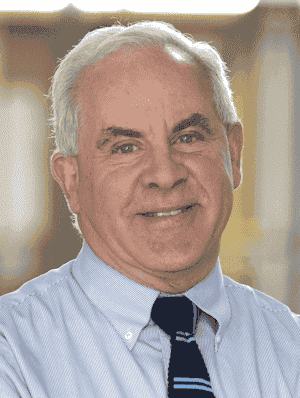
About Frederic G. Reamer, Ph.D.
Disclosure Statement:
CE Hours
Credit Hours:
Counselors:
Marriage and Family Therapists:
Social Workers:

Addiction Professionals:

Psychologists:

Art Therapists:
Other Professionals:
Accommodations and Policies
Courses included in this bundle were recorded between 2/5/21 and 4/25/25
Related products


Documentation Challenges in Behavioral Health (Complex Documentation Decisions)
- 6 Ethics

Testimonials
Iveyana Kiara Smith
Jessy Hainbach
Bryant Wilson
Ben Keyser
Mei Chan
Meghan Co, LCSW-C, LICSW