Self-Disclosure Issues in the Care of Eating Disorders: When Do I Share, When Do I Withhold

Payment Options: Credit Card, PayPal, Venmo, or Pay Later (4 payments)
Rewards: You earn 10% on all of your orders towards your next purchase.
The add to cart button will appear once you select the values above
Specifications
This course does not offer CE Credits. The same course is available for purchase and offers 1.5 CE hours for behavioral health clinicians. See "related products" below. In eating disorder care, self-disclosure can either deepen trust and reduce shame or quietly shift the focus away from recovery, making it one of the most nuanced clinical decisions professionals face. This course explores how to discern the difference with greater clarity, intention, and ethical confidence. For clinicians and others involved in eating disorder treatment who want a more thoughtful framework for navigating these moments, this live webinar offers practical guidance for one of the field’s most challenging questions: when does sharing truly help, and when is non-disclosure a more therapeutic choice? Dr. DaLene Forester, PhD, LMFT, LPCC, brings years of specialized experience in eating disorder treatment, trauma, and clinical supervision to this training. A Certified Eating Disorder Specialist and Consultant (CEDS-C), EMDRIA Approved Consultant and Trainer, and certified supervisor with both AAMFT and CAMFT, she has taught nationally and internationally and authored chapters on trauma-informed treatment of eating disorders using EMDR. Her depth of experience uniquely positions her to help participants differentiate therapeutic self-disclosure from sharing that may be clinically neutral or harmful, while applying ethical decision-making in real-world care. Drawing from both clinical expertise and lived complexity within the field, Dr. Forester approaches this topic with nuance, honesty, and a strong recovery-centered lens. Participants will be guided through ethical, relational, developmental, and diagnostic considerations, with attention to how disclosure decisions affect alliance, shame, boundaries, and power dynamics across professional and paraprofessional roles. This training will examine different types and intentions of self-disclosure, as well as the potential benefits and risks of sharing personal experience in eating disorder care. Participants will explore how disclosure can strengthen therapeutic alliances, model recovery, and reduce shame, while also considering the possibility of triggering comparison, competition, symptom reinforcement, role reversals, and boundary confusion. The course also addresses developmental and diagnostic considerations unique to eating disorders, the role of countertransference in disclosure decisions, practical strategies for responding to client or patient questions about personal experience, and a decision-making framework for determining when disclosure may support recovery and when withholding may be more clinically appropriate. Thoughtful self-disclosure is rarely a simple yes-or-no decision, especially in the care of eating disorders, where hope, shame, boundaries, and recovery can all be affected by what is shared. This live webinar offers a grounded opportunity to strengthen clinical judgment, deepen ethical awareness, and approach these moments with greater confidence and care. This is a non-interactive, self-study program and consists of 1.5 hours of video instruction and an evaluation. From the time of registration, you have six months to access the coursework. This course is intended for clinicians who provide behavioral health services. This is a non-interactive, self-study course. Teaching methods for this course include recorded lectures, videos, a post-test, and a course evaluation. Course access and completion instructions. Dr. DaLene Forester specializes in the treatment of eating disorders, trauma, and clinical supervision. Now retired from private practice, she focuses on teaching and training future psychotherapists. She is an EMDRIA Approved Consultant and Trainer, a Certified Eating Disorder Specialist and Consultant (CEDS-C), and a certified supervisor with both AAMFT and CAMFT. Dr. Forester is a past president of EMDRIA and has presented at conferences including AAMFT, EMDRIA, EMDR Canada, and WPA. She has two chapters published in EMDR Solutions II, R Shaprio (ed.), W.W. Norton & Company, 2009 and one chapter published in Trauma-Informed Approaches to Eating Disorders, A. Seubert and P. Virdi (ed.) Springer Publishing Company, LLC, 2024. The instructor(s) for this course receive compensation for their services. There are no reported conflicts of interest to disclose. This course does not offer CE credits, just great content. The same course is available for purchase and offers 1.5 CE hours for behavioral health clinicians. See "related products" below. This course is a non-interactive, online self-study. Participants may request a printed version of their certificate of completion to be delivered by mail. A shipping/handling fee of $6.95 will be charged per request. Shipping internationally may require an additional charge. You can click on the following links to view our policies:Description
Key Takeaways:
Why This Course?
Learning Objectives
Format and Access
Course Details
Availability:
Who Should Attend:
Teaching Methods:
How to Attend:
Instructors and Disclosures
Instructor
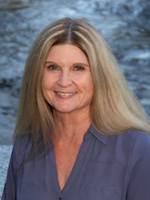
About DaLene Forester, PhD, LMFT, LPCC
Disclosure Statement:
CE Hours
Credit Hours:
Accommodations and Policies
This course was recorded 9/11/26
Related products


Testimonials
Iveyana Kiara Smith
Jessy Hainbach
Bryant Wilson
Ben Keyser
Mei Chan
Meghan Co, LCSW-C, LICSW